
Vaginal Cancer Treatment in India
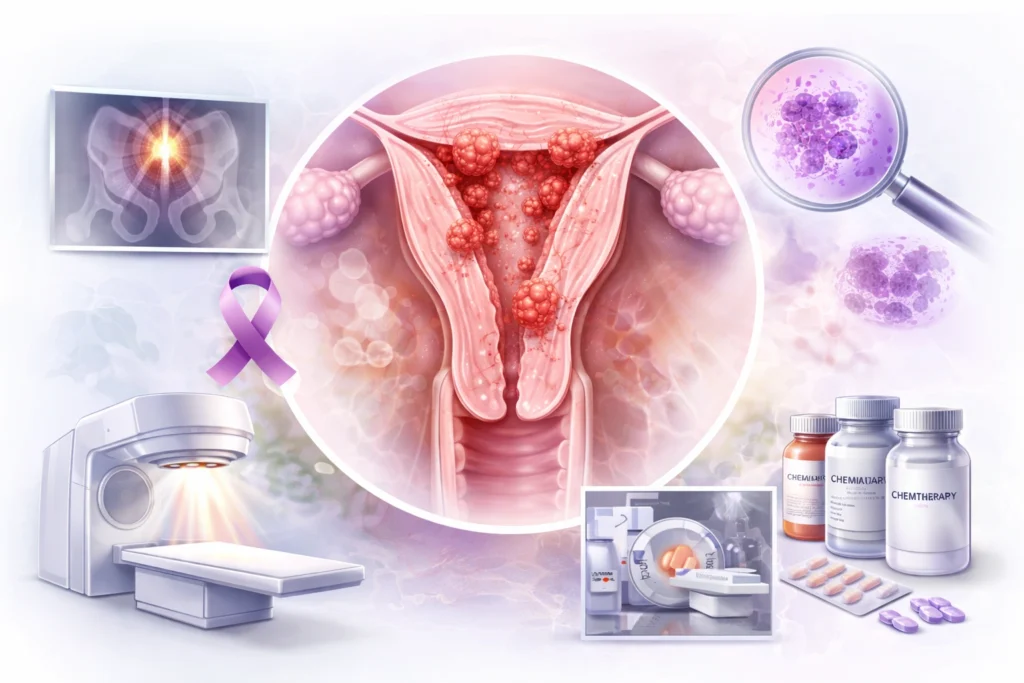
Vaginal cancer is not something most women think about early on. Life usually goes on as normal. Work, home, family, everything keeps moving. At first, there is no sharp pain or clear warning sign. Small discomforts arise and are ignored. When those same issues keep coming back and don’t feel right anymore, vaginal cancer slowly becomes a topic that families have to face. Earlier, many people didn’t even know such a cancer existed. Now things are changing. Doctors talk about it more openly. Patients ask questions. Treatment is explained better. Vaginal cancer treatment in India today is less confusing and more planned than before.
Get Free Consultation Now
What Is Vaginal Cancer?
The vaginal area normally works without causing any trouble. You don’t really notice it in daily life. Cancer starts when some cells there stop behaving normally and grow the wrong way. This doesn’t happen suddenly. It builds up slowly over time. Due to slow growth, many women don’t feel anything serious in the early stage. By the time symptoms become noticeable, medical care is usually needed.
Who Needs Vaginal Cancer Treatment?
Not every vaginal problem means cancer. Doctors don’t jump to conclusions. Treatment is suggested only when tests clearly show cancer and symptoms don’t improve. Women usually look for vaginal cancer treatment when they notice things like:
- Bleeding that feels unusual and keeps happening even when it shouldn’t.
- Pain, burning, or irritation that doesn’t improve with normal medicines.
- Discharge that feels different and doesn’t go away.
- Pain during urination or physical intimacy that feels new and worrying.
- A lump or thick area that stays the same or slowly increases.
Types of Bladder Cancer
Physicians typically describe bladder cancer based on the extent to which it has developed inside the bladder. This is how they determine which treatment is best. Physicians describe it this way:
- Surface-level bladder cancer: This type stays on the inner lining of the bladder. It usually grows slowly and is easier to manage when found early. Many patients fall into this group.
- Deeper bladder cancer: Here, the cancer grows into the bladder wall. It needs stronger treatment and closer follow-up because it can spread if ignored.
- Recurring bladder cancer: In some cases, cancer comes back even after treatment. This doesn’t mean treatment failed, but it does mean long-term care and regular monitoring are needed.
Types of Vaginal Cancer
Doctors usually keep this explanation simple. They don’t use heavy terms unless needed. The type mainly depends on where the cancer begins and how fast it grows.
- Squamous cell cancer: It starts in the lining of the vagina and is the most common type seen. It usually grows slowly.
- Adenocarcinoma: It begins in gland cells and is less common, but it still needs careful treatment.
Melanoma: It is rare and starts in pigment cells, often needing closer monitoring. - Sarcoma: It begins in muscle or connective tissue and is uncommon but more serious.
Knowing the type helps doctors plan vaginal cancer treatment properly.
How Vaginal Cancer Is Diagnosed?
Doctors don’t rely on just one test. They move step by step so nothing is missed. First, they listen carefully to symptoms. Then they examine and decide what tests are needed. Scans, lab tests, and sometimes tissue samples help confirm the problem. Once reports are clear, treatment planning begins.
Vaginal Cancer Treatment Process
Doctors don’t rush into treatment the moment cancer is confirmed. They sit down along with the patient and family, telling them what is happening in plain language. The treatment varies depending on the state of their health, age, and cancer stage. The process happens slowly but surely. The doctors constantly check on how the body is responding. Comfort and safety matter as much as treatment itself.
Benefits of Vaginal Cancer Treatment
Treatment helps bring control back into daily life. It’s not just about cancer, but about feeling stable again.
- Pain and irritation reduce over time.
- Daily activities become easier to manage.
- Bleeding and discomfort come under control.
- Stress reduces once treatment starts.
- Patients feel supported instead of lost.
Vaginal cancer treatment focuses on long-term balance.
Risks and Safety
Any cancer treatment comes with fear, and that’s normal. Doctors explain risks clearly before starting. Nothing is hidden. Some women feel weak, tired, or uncomfortable during treatment. Doctors monitor these issues closely. With better care today, serious problems are handled early.
Daily Challenges Women Face
Living with vaginal cancer brings some everyday struggles that people don’t always talk about openly. Many women feel uncomfortable sharing symptoms, which makes things harder. Simple things like sitting for long hours, walking outside, or using the washroom can feel stressful. Emotional pressure also builds up because of fear, confusion, and silence around the topic. Support from family and doctors helps a lot during this phase.
Recovery and Aftercare
Recovery doesn’t happen overnight. Everyone heals differently, and that’s okay. Doctors guide patients slowly through this phase. Medicines, rest, follow-ups, and emotional support all matter. Family support makes recovery easier and less stressful.
Why Choose India for Vaginal Cancer Treatment?
Many women choose vaginal cancer treatment in India because care feels easier to continue. Doctors handle such cases often and explain things patiently. Hospitals follow a clear routine. Family members can stay involved and support the patient. This emotional backing helps a lot during treatment and recovery.
Conclusion
Vaginal cancer often starts quietly and is easy to ignore. When symptoms keep repeating, they shouldn’t be brushed aside. Early diagnosis makes treatment smoother. Vaginal cancer treatment in India has improved with better care and awareness. With proper treatment, regular follow-ups, and family support, many women move forward with confidence.
Medically Reviewed
This page on Vaginal Cancer Treatment in India has been medically reviewed by Dr. Rashid Ali, MBBS, a Delhi Medical Council–registered practitioner (Registration No. DMC/R/36289), to ensure it reflects accurate, current, and evidence-based medical information.
At Medicsaz, every treatment page is checked by a licensed doctor before publication, not written by a marketing team alone. Dr. Rashid Ali review covers the accuracy of procedures, terminology, and claims described on this page, so patients researching Vaginal Cancer Treatment in India can rely on what they read here to make informed decisions.
Last medically reviewed: 09/09/2026
You can independently verify Dr. Rashid Ali’s registration on the Delhi Medical Council’s official website using Registration No. DMC/R/36289, or read more about his role as Medicsaz’s medical reviewer on his reviewer profile page.