Stroke Treatment in India
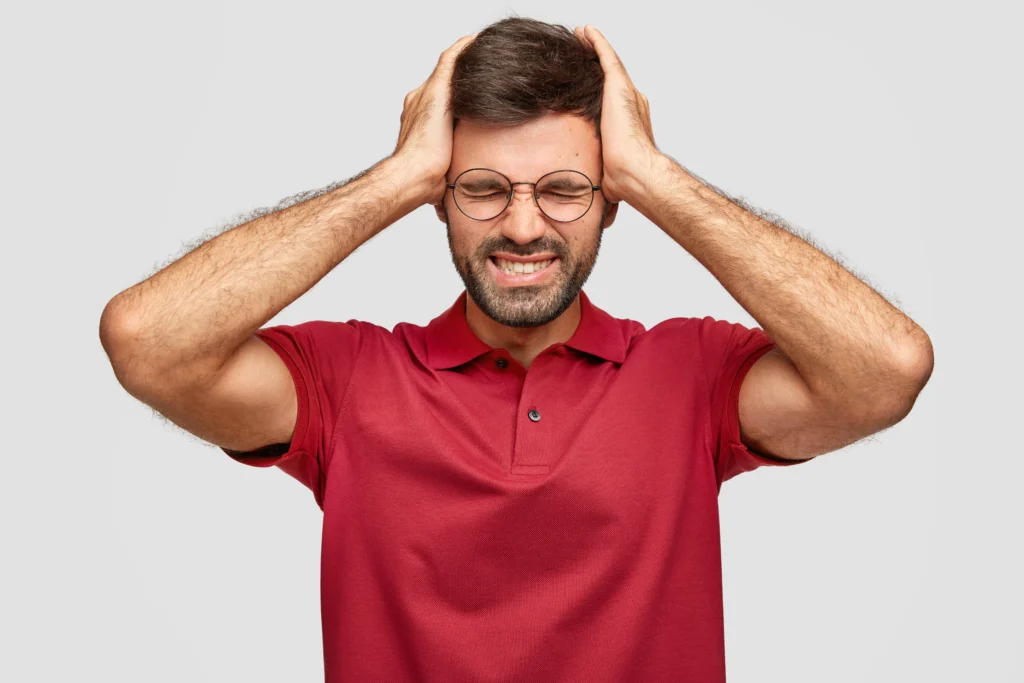
A stroke is one of those health problems that usually comes without warning. Most people don’t plan for it. Honestly, most don’t even think about it until it happens to someone close. One moment, a person is fine. The next moment, something feels off. Speech becomes unclear. One side of the body feels weak. Balance doesn’t feel right.
That’s usually when panic starts. Families get confused. Patients don’t really understand what their bodies are doing. And while all this is happening, time quietly keeps moving. That delay matters. Because when it comes to stroke, even minutes can change things. Over the years, Stroke Treatment in India has improved a lot. Diagnosis is faster now. Hospitals are better prepared. Doctors are more trained. All of this has changed how stroke cases are handled today.
Get Free Consultation Now
What is a Stroke?
In simple words, a stroke happens when blood flow to the brain is disturbed. The brain needs constant blood and oxygen to work properly. When that supply suddenly stops, brain cells start getting damaged.
This usually happens in two ways. Either a blood vessel gets blocked. Or a blood vessel bursts and causes bleeding. Different reasons, same problem. The brain doesn’t get what it needs.
And the brain doesn’t wait around. This is why even short delays can have long-term effects. The brain is sensitive, and once damage starts, it cannot always be reversed. That’s why doctors treat stroke as a medical emergency. Not something to observe at home and see if it gets better.
Who Needs Stroke Treatment?
Anyone can get a stroke. Age doesn’t always protect you. Stroke treatment is needed the moment symptoms appear. People who usually need immediate care may notice:
- Sudden weakness in the face, arm, or leg
- Trouble speaking or understanding words
- Loss of balance
- Sudden vision problems
- Confusion or a strong headache
Even if these signs feel mild or temporary, treatment should not be delayed.
Types of Stroke
Before starting treatment, doctors need to know what type of stroke it is. Because treatment depends on that. There are mainly two types.
- Ischemic Stroke: This happens when a blood clot blocks blood flow to the brain. This is the most common type.
- Haemorrhagic Stroke: This happens when a blood vessel bursts and causes bleeding in the brain. This type is usually more serious and needs careful handling.
Scans like CT or MRI help doctors figure this out quickly.
Stroke Treatment Process
Treatment starts the moment the patient reaches the hospital. There isn’t much waiting. Doctors first confirm whether it’s a stroke and what type it is. After that, treatment begins. In clot-related strokes, medicines may be used to dissolve the clot. But there’s a time limit for this. Miss that window, and the option may be gone. In some cases, doctors remove the clot using special procedures.
In bleeding-related strokes, the focus is different. Controlling bleeding. Reducing pressure in the brain. Surgery, if needed. This quick and organised response is a big part of modern Stroke Treatment in India.
Benefits of Early Stroke Treatment
Early treatment doesn’t just save lives. It saves function. Some benefits include:
- Less damage to the brain
- Better chances of recovery
- Reduced long-term disability
- Improvement in speech and movement
- A better quality of life later
Most of the time, earlier treatment means better results.
Risks or Safety
Stroke treatment does have risks. That part can’t be ignored. But today, with better machines and experienced doctors, serious complications are less common. Doctors go through reports carefully before deciding on the treatment. Patients are monitored closely during and after treatment. Safety standards in Stroke Treatment in India have improved a lot over the years.
Recovery After Stroke
Recovery doesn’t happen overnight. It takes time. And patience. Some patients also feel emotional changes after a stroke, like low mood or frustration. This is common and usually improves with time and support. Some people improve in a few weeks. Others take months. Recovery often includes:
- Physiotherapy to regain movement
- Speech therapy if speech is affected
- Balance and strength exercises
- Mental and memory support
Family support matters more than people realise during this phase.
Why Choose India for Stroke Treatment?
Many patients choose Stroke Treatment in India because of the overall care they receive. Common reasons include:
- Experienced neurologists
- Modern hospital facilities
- Quick diagnosis
- Affordable treatment cost
- Good rehab support
For many families, this combination makes treatment possible.
Conclusion
A stroke can change a life very quickly. But the right treatment can change what comes next. Acting fast. Reaching the hospital on time. Getting proper care. These things make a real difference. Today, Stroke Treatment in India offers real hope. With better awareness and better systems, many patients recover and return to a meaningful life. The key is simple. Don’t ignore the signs. And don’t delay treatment.
Frequently Asked Questions
Can stroke patients fully recover?
Many patients recover significantly with early treatment and rehabilitation. Recovery depends on how quickly treatment was started and the extent of brain damage.
What are the types of stroke?
There are three main types:
- Ischemic stroke (caused by blockage).
- Hemorrhagic stroke (caused by bleeding in the brain).
- Transient Ischemic Attack (TIA) (temporary blockage).
What are the warning signs of a stroke?
Common warning signs include:
- Sudden weakness or numbness on one side of the body
- Difficulty speaking or understanding speech
- Sudden severe headache
- Vision problems
- Loss of balance or coordination
Immediate medical attention is critical.
What treatments are available for stroke?
Treatment depends on the type of stroke and may include:
- Clot-busting medication (for ischemic stroke)
- Mechanical thrombectomy
- Surgery to control bleeding
- Intensive care monitoring
- Rehabilitation therapy
How soon should treatment begin after stroke symptoms appear?
Treatment should begin immediately — ideally within the first 3 to 4.5 hours for clot-busting therapy in ischemic stroke cases.