
Robotic Hysterectomy in India
Chronic pelvic pressure, bloating, and heavy menstrual bleeding can interfere with one’s life. For problems that cannot be cured through regular medication and minor surgical operations, like those with larger fibroids or tissue damage, the surgeons may suggest a hysterectomy.
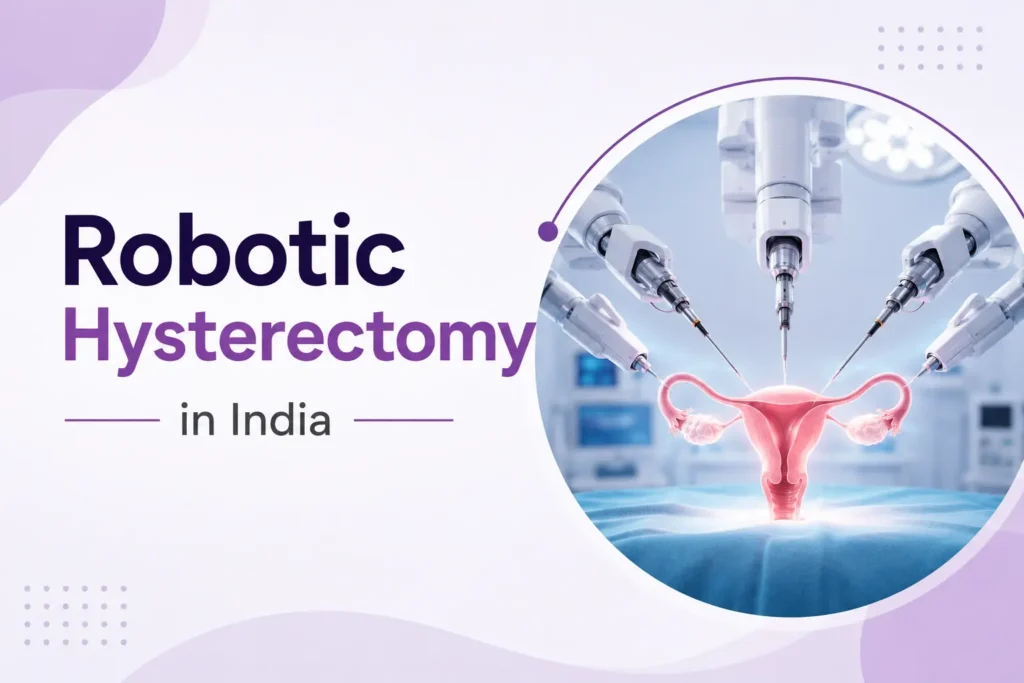
Despite being a huge step, the use of robotics makes it less invasive compared to traditional surgeries. Small incisions are made through which a specialist guides robotically-controlled instruments with a computerized workstation. The process of getting a robotic hysterectomy in India involves expert surgeons and hospitals providing complete care.
Get Free Consultation Now
What Is a Robotic Hysterectomy?
Think of this surgery as a highly advanced keyhole cleanup mission where computer-assisted tools give the doctor extreme physical movement precision inside your body. The doctor sits comfortably at a specialized master console right next to your operating bed to direct the micro-instruments with a crystal-clear, magnified 3d view of your pelvic floor. This tech-driven setup helps the surgeon carefully peel away the damaged womb while leaving your surrounding nerves, bladder, and healthy tissues completely untouched.
Conditions Treated with Robotic Hysterectomy
- Uterine Fibroids: Firm, non-cancerous muscle tumors that expand inside or around the womb walls and cause bleeding.
- Endometriosis: Uterine-like lining tissue misplaces itself and grows across your external pelvic layout.
- Adenomyosis: Painful tissue embedding where the inner lining grows straight into the uterine muscle layer.
- Uterine Prolapse: A physical dropping of the womb caused by weakened lower pelvic support muscles.
- Endometrial Cancer: Malignant cellular changes starting directly inside the inner lining layer of the womb.
Benefits of Robotic Hysterectomy Over Traditional Surgery
Modern robotic paths help patients avoid massive muscle cuts and return to their regular schedules much faster than old-school operations. The extreme precision of the mechanical arms allows the doctor to separate damaged tissues safely while protecting the circulatory system:
- Smaller Incisions: Tiny buttonhole punctures across your belly that heal up quickly and leave very minimal scars behind.
- Less Blood Loss: Extreme robotic arm precision that keeps surrounding blood vessels safe from accidental cuts during surgery.
- Reduced Pain: Minimal pulling of deep muscle layers, requiring fewer heavy painkillers during early recovery.
- Shorter Hospital Stay: Getting cleared by your nursing team to head home much sooner than open surgery allows.
- Faster Recovery: Returning to your normal daily job and light routine walks within just a few weeks.
These clear clinical advantages have led to a massive surge in women choosing a robotic hysterectomy in India to fix their reproductive health.
Tests and Evaluation Before Robotic Hysterectomy
Before scheduling your procedure, medical teams put your body through deep diagnostic tests to build a flawless pelvic roadmap. Specialists use these precise tests to verify your internal health baseline before any anesthesia is given:
- Manual Pelvic Examination: A basic physical check to map out the overall size of your womb.
- Ultrasound Scanning Test: High-frequency sound waves that show the exact layout of any muscle growths.
- Blood Sample Profiling: Laboratory blood checks to screen for severe anemia, infections, or clotting speeds.
- Pap Smear Test: Scraping surface cells early to look for hidden cervical cell flaws.
- Detailed MRI Scans: Advanced magnetic imaging used in complex cases to view deep pelvic structures.
Running these detailed checks early ensures that planning your robotic hysterectomy in India is backed by highly accurate physical measurement data.
Robotic Hysterectomy Procedure Explained Step by Step
The actual cleanup operation unfolds in a highly organized, careful sequence to keep your pelvic area safe. Your surgical team will guide you through these exact technical steps while you are resting comfortably and completely asleep:
- Port Incisions: The surgeon makes a few tiny, half-inch entry points across your belly area for access.
- Camera Setup: Inserting a 3d high-definition lens and slim robotic arms into the pelvic space.
- Console Control: The specialist sits at a computer guide board to direct the micro-tools precisely.
- Tissue Separation: Dissecting and sealing the blood vessels to free the uterus from surrounding support bands.
- Organ Extraction: Removing the damaged uterus safely through the vaginal canal or a tiny abdominal port.
Risks and Complications of Robotic Hysterectomy
Let’s look at the hard facts. Even though this automated keyhole approach is highly successful and routine, operating deep inside the pelvis carries baseline bodily realities. You face standard surgical risks like minor infections at the skin cuts, internal bleeding, or very rare accidental scratches to the nearby bladder or bowel walls. Fortunately, choosing a highly trained surgeon who operates a modern robotic platform keeps these procedural threats incredibly low during a robotic hysterectomy in India.
Life After Robotic Hysterectomy: What to Expect
Once your pelvic area fully clears the early healing phase, you will notice a massive upgrade in your overall quality of life. Your exhausting monthly bleeding cycles and sharp pressure pains will vanish permanently, allowing your natural energy levels to bounce back beautifully. Most women feel a deep sense of physical relief and can resume active, independent lifestyles without constant health disruptions.
Long-Term Follow-Up and Women's Health Care
True long-term success relies on how well you look after your health once your initial surgical tracking is fully resolved. Your doctor will set up a simple schedule of quick clinic evaluations to look after your complete well-being as you age gracefully:
- Routine Gynecology Checkups: Visiting your clinic regularly to ensure your internal pelvic floor stays strong.
- Pelvic Health Assessments: Having your specialist check the deep healing areas during routine office tracking.
- Bone Health Monitoring: Checking your bone density if your ovaries were removed during the surgery.
- Menopause Care Plans: Managing sudden hot flashes or sleep issues if your system transitions early.
- General Preventative Screens: Sticking to standard blood checks and health tracking as you age gracefully.
Conclusion
Robotic Hysterectomy is a very safe surgical procedure where the removal of the womb takes place via small incisions for treating heavy bleeding, fibroids, and even early cancers. Opting for the Robotic Hysterectomy in India will give you and your family world-renowned gynecologists, state-of-the-art computing facilities, and best-of-class hospitals all at extremely low cost. With early diagnosis and just a few steps by your doctor, you can stop suffering and enjoy a happy life full of health.
Medically Reviewed
This page on Robotic Hysterectomy in India has been medically reviewed by Dr. Rashid Ali, MBBS, a Delhi Medical Council–registered practitioner (Registration No. DMC/R/36289), to ensure it reflects accurate, current, and evidence-based medical information.
At Medicsaz, every treatment page is checked by a licensed doctor before publication, not written by a marketing team alone. Dr. Rashid Ali review covers the accuracy of procedures, terminology, and claims described on this page, so patients researching Robotic Hysterectomy in India can rely on what they read here to make informed decisions.
Last medically reviewed: 09/09/2026
You can independently verify Dr. Rashid Ali’s registration on the Delhi Medical Council’s official website using Registration No. DMC/R/36289, or read more about his role as Medicsaz’s medical reviewer on his reviewer profile page.