
Pericarditis Treatment in India
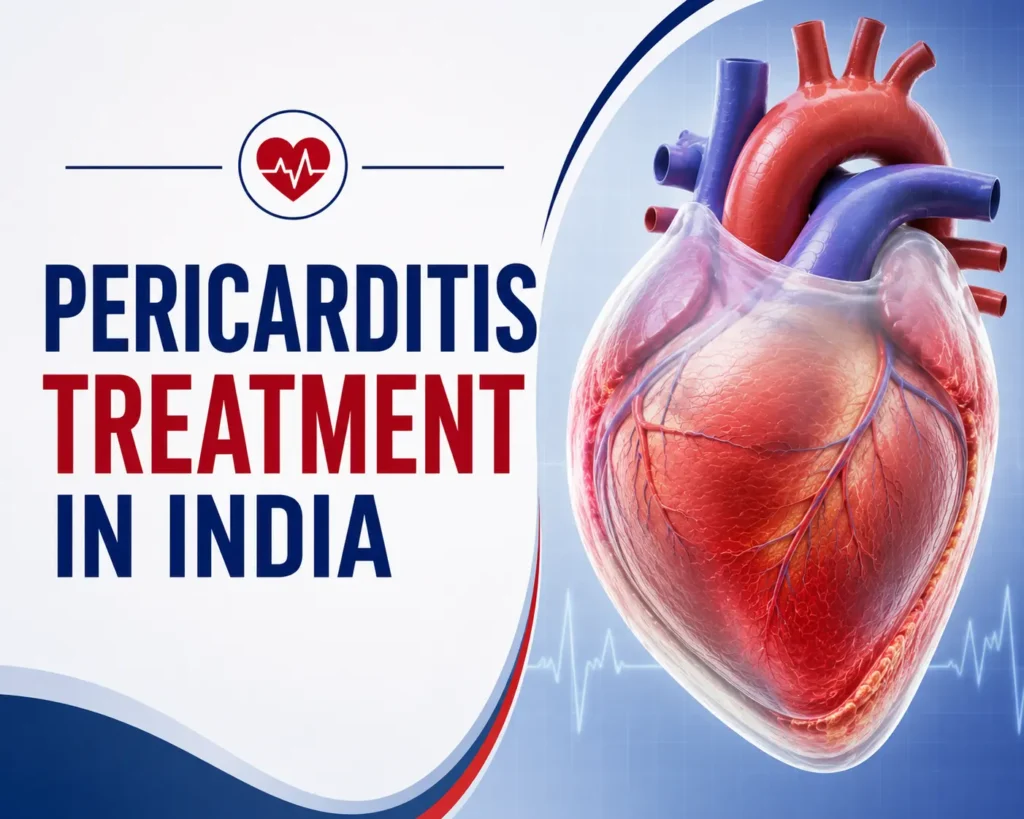
It is honestly a bit of a shocker for most folks in India when a sudden, sharp pain hits the chest because the mind instantly jumps straight to a heart attack. While that kind of fear is totally understandable given how much we hear about heart health these days, truth be told, not every stabbing feeling in your chest means your internal arteries are blocked. Many cases are actually about the outside of the heart getting a bit irritated and swollen rather than some major internal mechanical failure, which is a big relief once you know what you’re dealing with.
Most people find that once they get a proper diagnosis at a clinic, the whole situation feels much less scary and far more manageable than they first imagined in those early panicked moments. Pericarditis Treatment in India has become very good at catching this specific issue and helping you get back to your active life with the right clinical support and a bit of patience. It really comes down to acting quickly and getting checked out so you aren’t just stuck at home worrying about a serious problem that might not even be happening inside your heart.
Get Free Consultation Now
What Is Pericarditis?
Think of your heart as sitting inside a small, protective bag called the pericardium that helps the organ move smoothly every single time it beats for you during the day. When this bag gets inflamed or irritated, the two thin layers can rub against each other like sandpaper, which is exactly what causes that sharp and uncomfortable sensation in your chest. It is essentially a protective system that has become a bit swollen and angry, making every single heartbeat feel a lot more noticeable and painful than it ever should be during your normal routine.
Early Signs and Symptoms of Pericarditis
The most common sign is a sharp pain that hits you out of nowhere, but the way it behaves during your normal activities is the real clue for your doctor to find. You might notice that the feeling shifts quite a bit when you move from sitting in a chair to trying to lie down flat in your bed at night.
- Sharp Chest Pain: You will usually feel this right in the center or on the left side of your chest, and it often feels like a stabbing sensation that comes on fast.
- Positional Pain: The discomfort often feels much worse when you are lying down flat, but improves almost instantly when you sit up and lean forward to catch your breath.
- Breathing Issues: You might experience a strange shortness of breath that seems to get much worse when you are resting in bed or trying to sleep through the night.
When Chest Pain Could Be Pericarditis
The distinctive characteristic of this particular pain is the significant variability of its symptoms in relation to body positioning during the course of a busy day. If leaning forward from a seated position helps to ease the pain, whereas lying down causes excruciating pain akin to a stabbing sensation, then it is an unmistakable symptom of pericarditis. As alluring as the idea of waiting it out may be, any form of chest pain requires an immediate evaluation.
Tests and Diagnosis for Pericarditis Treatment in India
Doctors in Indian clinics usually start with an ECG to see if the heart’s electrical rhythm is being affected by the swelling happening nearby. They will also use a few other tools to make sure they have the full picture of what is going on with your heart sac before starting any treatment.
- Echocardiogram: This is basically a detailed ultrasound of your heart to see if there is any extra fluid trapped inside that protective bag that shouldn’t be there.
- Blood Work: These tests look for chemical signs that your body is currently fighting off an infection or dealing with high levels of inflammation in your system.
- Chest X-ray: This helps the medical team check the overall size of your heart and see if there are any other issues hidden in the lungs or chest area.
Options for Pericarditis Treatment in India
Most of the time, the strategy for recovery is pretty straightforward and involves calming down the inflammation so the heart sac can finally heal itself properly. You will likely be told to take it very easy for a few weeks while the medicine does the heavy lifting of reducing the swelling inside your chest. It is a process of being patient and giving your body the quiet time it needs to reset the system and get the heart sac back to its smooth state.
Medicines Used to Treat Pericarditis
Anti-inflammatory drugs are usually the first line of defense to help dull the pain and bring the swelling down to a normal level relatively quickly. A specific medicine called colchicine is often added to the mix because it is great at making sure the inflammation doesn’t just come back a few months later. This matters more than it might seem: recurrence after a first episode of pericarditis happens in roughly 15 to 30% of cases without this added protection, so colchicine and finishing your full course of medication genuinely lowers your odds of going through this again. If a bacterial infection is found to be the culprit, you will be given antibiotics, though most cases in India are handled with simpler anti-swelling pills and plenty of rest.
When Is Hospital Care Needed for Pericarditis
Although the vast majority of patients have nothing to fear by getting plenty of rest at home, with a good supply of pillows and their medications, in other cases, spending time at the clinic may be the wiser choice, both for their sake and those around them. In cases where the patient’s suffering is simply too much to bear, or if excessive fluid is accumulating inside of them, threatening to constrict their heart, medical professionals will insist on keeping a close watch on them at all times.
Lifestyle and Precautions After Pericarditis
Once you have finished your treatment, staying healthy is about making sure you don’t put too much stress on your heart while it is still finishing its healing. You should really listen to your body and avoid pushing yourself too hard until the medical team says you are completely clear for heavy movement again.
- Activity Levels: You should avoid any heavy lifting or intense exercise until the doctors give you a clear green light that your heart is ready for it.
- Medicine Compliance: It is vital to finish the entire course of your medicine even if you start feeling great after the first three or four days of rest, since stopping early is one of the most common reasons pericarditis comes back.
- Early Management: Managing minor colds and infections quickly can stop them from traveling to your heart and bothering the protective sac again in the future.
Pericarditis Treatment in India Cost
Pericarditis Treatment in India can cost around $500 to $5,000. The cost varies depending on the type and severity of pericarditis, diagnostic tests, medications, hospitalization, pericardiocentesis, surgery, hospital, specialist, and other treatment requirements.
The exact cost depends on the patient’s diagnosis and treatment plan, including cardiac evaluation, ECG and echocardiography, blood tests, medications, hospitalization, pericardiocentesis when required, and follow-up care. These figures are general estimates, not fixed quotes. Medicsaz can provide a personalized cost estimate after a partner cardiac specialist reviews the patient’s medical records and treatment requirements.
How Medicsaz Supports Your Pericarditis Treatment in India Journey
Medicsaz connects international patients with vetted partner hospitals and experienced cardiologists for Pericarditis Treatment in India. The team assists with medical record review, hospital and specialist matching, treatment and cost estimates, travel and visa support, accommodation, and coordination throughout the patient’s treatment journey in India.
For patients exploring Pericarditis Treatment in India, Medicsaz can help identify an appropriate cardiac specialist and treatment approach based on the patient’s medical records, while providing guidance on expected costs and the overall treatment process.
Conclusion
Pericarditis can be a real scare when it first happens, but it is a very manageable condition, and most people recover well with the right treatment. It’s worth knowing that recurrence happens in a meaningful minority of cases, which is exactly why sticking with your full medication course, including colchicine, matters so much for keeping it from coming back. Getting the right diagnosis in a professional clinic is the first step toward feeling better and protecting your heart health for the long future ahead. With a bit of patience and the right medical support for Pericarditis Treatment in India, you will be back to your normal life and activities before you even know it.
Frequently Asked Questions
Do heart attack symptoms look the same in men and women?
Not always — women are significantly more likely to have a heart attack without prominent chest pain, instead experiencing fatigue, nausea, jaw or back pain, or shortness of breath, which can lead to delayed diagnosis.
How quickly should I seek help if I think I'm having a heart attack?
Immediately — if chest pain or other concerning symptoms last more than a few minutes or keep coming back, seek emergency care right away, since every minute of delay increases the risk of permanent heart damage.
What's the difference between clot-busting medication and angioplasty?
Clot-busting medication dissolves the blockage chemically and is typically used when immediate angioplasty isn’t available, while angioplasty physically opens the blocked artery and is generally preferred when it can be performed quickly.
What causes a heart attack?
The leading cause is atherosclerosis, where fatty deposits build up inside artery walls over time, along with major risk factors like high blood pressure and smoking.
Will I need to take medication for the rest of my life after a heart attack?
Often, yes — medications like blood thinners, beta-blockers, statins, and ACE inhibitors are commonly prescribed long-term to reduce the risk of another heart attack and support heart function.
What tests confirm a heart attack diagnosis?
Doctors typically use an ECG to check heart rhythm, troponin blood tests to detect heart muscle damage, an echocardiogram to assess pumping function, and coronary angiography to locate the blockage.
Medically Reviewed
This page on Pericarditis Treatment in India has been medically reviewed by Dr. Rashid Ali, MBBS, a Delhi Medical Council–registered practitioner (Registration No. DMC/R/36289), to ensure it reflects accurate, current, and evidence-based medical information.
At Medicsaz, every treatment page is checked by a licensed doctor before publication, not written by a marketing team alone. Dr. Rashid Ali review covers the accuracy of procedures, terminology, and claims described on this page, so patients researching Pericarditis Treatment in India can rely on what they read here to make informed decisions.
Last medically reviewed: 09/09/2026
You can independently verify Dr. Rashid Ali’s registration on the Delhi Medical Council’s official website using Registration No. DMC/R/36289, or read more about his role as Medicsaz’s medical reviewer on his reviewer profile page.