
Parkinson’s Treatment in India
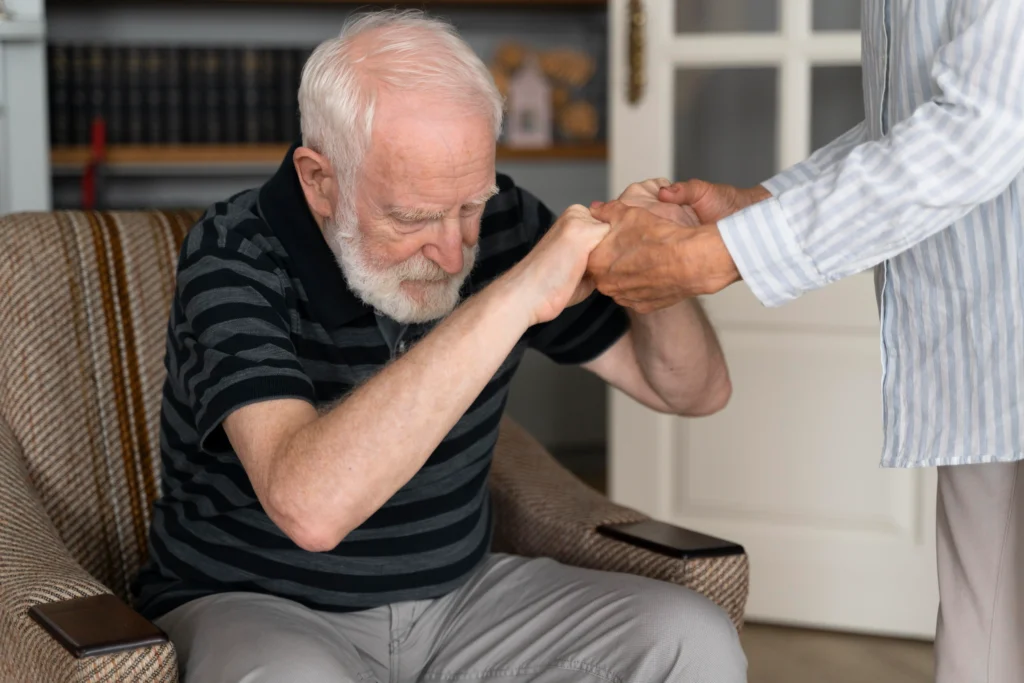
Normally, Parkinson’s begins in a very quiet manner. One usually notices some changes in behavior; there is some stiffness, slow movements, and a little shaking. But in most cases, changes in behavior are usually neglected. Until a time comes when changes in behavior are felt in day-to-day activities. That is when Parkinson’s treatment becomes important for many families.
Get Free Consultation Now
What is Parkinson’s Disease?
Parkinson’s disease affects the manner in which the brain controls body movement. Normally, the brain controls all body movements by sending chemical signals to the body. This chemical is known as dopamine. Once the level of dopamine reduces in the body, the body cannot function properly. As a result, the body starts shaking.
Who Needs Parkinson’s Treatment?
Generally, treatment is necessary when day-to-day life does not feel normal and when safety becomes a factor.
- Many times, their hands tend to move more than before. Sometimes it may occur while the person is sitting. Sometimes others observe it in them. It feels uncomfortable for them to be in public places.
- Even walking doesn’t seem smooth anymore. Starting to walk or even just turning feels abnormal. Balance feels the same too, and the risk of slipping and falling stays at the back of the mind.
- The muscles are usually tight. It’s not easy for the muscles to relax. Not even after resting. Sitting, standing up, or sleeping correctly becomes a big challenge.
- Everyday small things require longer than they should. Consuming food, dressing up, writing anything – all require an extra bit of time. The fingers don’t respond as they should.
- Speech can become low or unclear. People ask “what?” more often, and long conversations start feeling exhausting.
Types of Parkinson’s Treatment
Parkinson’s treatment is not done in only one way. The type of treatment depends on symptoms and how the body responds over time.
- Medicine-based treatment is the most common type. Medicines help the brain use dopamine better. Changes are slow, and regular use is important.
- Therapy-based treatment includes physiotherapy and speech therapy. These help with balance, walking, posture, speaking, and swallowing over time.
- Surgery-based treatment is considered only when medicines stop working well. Deep Brain Stimulation is one such option and is chosen carefully.
Treatment Process for Parkinson’s
Treatment of a person with Parkinson’s disease is usually done slowly. Medicine is first administered in small amounts, and its effects on the body over a period of time are monitored. Apart from medicines, physiotherapy or speech therapy is also sometimes considered. Surgical treatment is considered if medicines and all other treatments fail to provide any such relief.
Benefits of Parkinson’s Treatment
Treatment helps people manage symptoms and live more comfortably.
- Shaking and stiffness are reduced, making daily movement easier. Tasks feel less tiring.
- Balance improves, which lowers the risk of falls. Walking feels safer.
- Hand control improves for eating and writing. Small tasks become manageable again.
- Speech becomes clearer with therapy support. Social interaction improves slowly.
- Independence in daily life increases. Dependence on others reduces.
- Anxiety lowers as symptoms become more predictable. Mental relief improves.
Risks and Safety
Parkinson’s treatment is generally safe when monitored properly. Some medicines may cause dizziness or sleepiness at first. Doctors adjust doses if side effects appear. Surgical treatment has risks but is suggested only after detailed evaluation.
Daily Challenges with Parkinson’s
Living with Parkinson’s brings small daily struggles that others may not notice.
- Getting ready in the morning takes longer than before. Simple movements feel slow.
- Writing or holding objects becomes difficult due to hand stiffness. Grip weakens.
- Walking in crowded areas feels stressful. Balance and reaction time are reduced.
- Facial expressions are reduced, which can affect communication. People may misunderstand emotions.
- Energy levels fluctuate during the day. Fatigue becomes common.
Recovery After Parkinson’s Treatment
Recovery refers to controlling symptoms rather than curing the disease.
- In addition, there is a necessity to make sure that medication is taken on time every day. Not taking medication can affect a person.
- Physio should always continue even on good days. Movement will always keep stiffness low.
- Stretching exercises maintain flexibility and posture.
- Small efforts help long-term comfort.
- Proper sleep helps reduce shaking and stiffness. Rest supports body balance.
- Emotional changes are common and improve with support. Patience is important.
Long-Term Care and Support
Parkinson’s needs long-term attention and emotional support.
- Regular doctor visits help adjust treatment as symptoms change. Care evolves over time.
- Family involvement helps patients stay consistent with medicines and routines. Support matters.
- Stress management reduces symptom severity. Calm environments help control shaking.
- Healthy food and hydration support overall strength. Small habits make a difference.
- Support groups help patients feel less alone. Shared experiences give confidence.
- Accepting help from others reduces emotional pressure. Long-term care works better when shared.
Why Choose India for Parkinson’s Treatment?
Many people choose Parkinson’s treatment in India due to access and affordability.
- Neurologists in India treat Parkinson’s patients regularly. Experience improves care quality.
- Hospitals have modern diagnostic and treatment facilities. Early diagnosis is possible.
- Advanced procedures like Deep Brain Stimulation are available. Travel abroad is not needed.
- Treatment costs are lower compared to Western countries. Long-term care is manageable.
- Medicines are easily available across cities. Treatment remains consistent.
Conclusion
It can be considered a long-term illness, and it slowly impacts our daily lives. It can be well controlled if there is early detection, proper treatment, and enough care. The treatment of Parkinson’s disease in India has shown consistent improvement over the years. It requires maximum consistency in treatment.
Frequently Asked Questions
Can Parkinson’s disease be cured?
Currently, there is no permanent cure for Parkinson’s disease. However, treatments can effectively control symptoms and improve quality of life.
What are the treatment options for Parkinson’s disease?
Treatment may include:
- Medications (such as dopamine replacement therapy).
- Physical and occupational therapy.
- Speech therapy.
- Deep Brain Stimulation (DBS) surgery in advanced cases.
What is Deep Brain Stimulation (DBS)?
DBS is a minimally invasive surgical procedure where electrodes are implanted in specific areas of the brain to regulate abnormal signals and reduce symptoms like tremors and stiffness.
How is Parkinson’s disease diagnosed?
Diagnosis is primarily based on neurological examination, medical history, and imaging tests such as MRI to rule out other conditions.
Is Parkinson’s treatment safe for elderly patients?
Yes, Parkinson’s treatment is commonly provided to elderly patients. Treatment plans are customized based on age, overall health, and disease progression.