
Lung Transplant Surgery in India
People living with serious lung disease can feel exhausted even after a few steps. Hospital visits and oxygen support slowly became part of their daily life.
In the early stages, symptoms can be controlled. But when lung damage becomes severe and permanent, these treatments are no longer enough. This is when doctors may start talking about a lung transplant. Today, lung transplant surgery in India is performed in a few advanced hospitals. That have trained transplant teams and specialised intensive care support.
Get Free Consultation Now
What Is Lung Transplant Surgery?
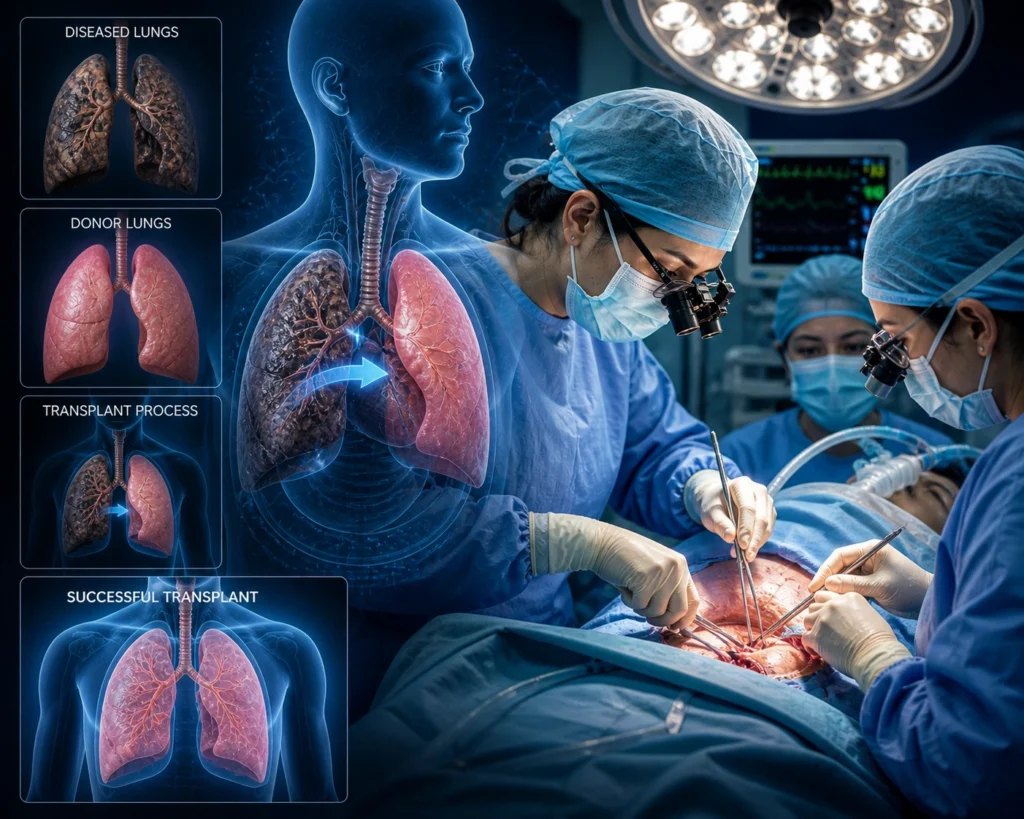
Lung transplant surgery procedure replaces one or both damaged lungs with healthy lungs. These lungs come from a donor. The new lungs restore proper breathing and improve oxygen supply to the body. The main aim of a lung transplant is to improve breathing and reduce dependence on oxygen.
Who Needs a Lung Transplant in India?
Doctors do not advise a lung transplant for every lung patient. They usually consider it only when lung disease becomes very advanced and life-limiting. This treatment is mainly offered to people who remain severely breathless even at rest, despite receiving the best possible medical care. It is also considered when repeated hospital admissions and infections continue to happen.
Doctors carefully study patients’ overall health, age, and ability to tolerate major surgery. Then evaluate all studies before recommending a transplant.
Types of Bladder Cancer
Physicians typically describe bladder cancer based on the extent to which it has developed inside the bladder. This is how they determine which treatment is best. Physicians describe it this way:
- Surface-level bladder cancer: This type stays on the inner lining of the bladder. It usually grows slowly and is easier to manage when found early. Many patients fall into this group.
- Deeper bladder cancer: Here, the cancer grows into the bladder wall. It needs stronger treatment and closer follow-up because it can spread if ignored.
- Recurring bladder cancer: In some cases, cancer comes back even after treatment. This doesn’t mean treatment failed, but it does mean long-term care and regular monitoring are needed.
Diseases That Lead to Lung Transplant
Several long-term lung conditions can slowly damage the lungs beyond repair. Doctors consider a lung transplant in conditions such as:
- Chronic obstructive pulmonary disease, where the airways are permanently damaged, and airflow becomes very poor.
- Pulmonary fibrosis, in which the lung tissue becomes stiff and scarred, making it hard for oxygen to pass into the blood.
- Cystic fibrosis is a genetic disease that causes repeated chest infections and gradual lung failure.
- Pulmonary hypertension occurs when very high pressure in the lung blood vessels damages both lungs and the heart over time.
A lung transplant is discussed only when doctors feel that the disease cannot be controlled anymore with routine treatment.
Single Lung vs Double Lung Transplant Surgery in India
In some patients, doctors replace only one lung. In others, both lungs are replaced. A single lung transplant is usually done when one lung replacement is enough to improve breathing. Whereas a double lung transplant is preferred in certain diseases, where both lungs are badly affected. Doctors decide this based on the patient’s disease, overall condition, and surgical safety.
Lung Transplant Waiting List and Donor Availability in India
Lung transplant depends mainly on deceased donors. After approval, their name is placed on a waiting list, which depends on the availability of suitable donor lungs. Lungs are searched according to blood group and body size matching.
During this period, doctors continue medical treatment, oxygen therapy, and regular monitoring. This waiting phase is important and can be long. It’s an emotionally difficult part for families in lung transplant surgery in India.
Tests Required Before Lung Transplant Surgery in India
Doctors perform a detailed medical evaluation to make sure the patient can safely undergo surgery. Before approving a transplant, this usually includes:
- Blood group and cross-match testing – Checks the patient’s blood type and donor compatibility.
- Lung function tests – Measure the lung disease severity and the lungs’ function.
- Imaging scans – Show clear pictures of the lungs and chest condition.
- Heart and kidney evaluation – Checks the heart and kidney health for surgery.
Infection screening –Checks for any active or hidden infections in the body. - Physical assessment – Checks the patient’s strength, weight, and overall nutrition.
Process of Lung Transplant Surgery
Pre-operation doctors complete all tests and prepare the patient for surgery. After general anaesthesia, the surgeon removes the diseased lung or lungs and places the donor lung or lungs in the chest. Blood vessels and airways are connected very carefully. After surgery, the patient is shifted to the transplant ICU. The surgery is performed by a specialised transplant team.
ICU Care and Hospital Stay After Lung Transplant
In the ICU, doctors monitor patients’ breathing, oxygen levels, and blood pressure. Monitoring helps detect signs of infection or rejection. The patient usually remains on a breathing machine for some time. They are moved from the breathing machine after the new lungs start working well.
Once the patient becomes stable, they are moved to a normal hospital room. Most patients stay in the hospital for around two to three weeks. It can also vary depending on recovery and complications. Early beginning rehabilitation exercises help the new lungs function properly.
Medicines and Rejection Prevention After Lung Transplant
After a transplant, the immune system may try to reject them and recognise the new lungs as foreign. To prevent rejection, patients must take anti-rejection medicines for life. As missing medicines can seriously increase the risk of rejection. Medicines reduce immune activity and protect the transplanted lungs.
Patients are advised to take medicines strictly on time every day. And need to attend follow-up visits and do regular blood tests. Patients should maintain good hygiene to avoid infections. Report fever, cough, breathlessness, or chest discomfort early.
Life After Lung Transplant Surgery in India
Most patients notice a clear improvement in breathing after recovery. Oxygen requirement reduces or completely stops. Walking and daily activities become easier. However, life after transplant still needs discipline. Patients must follow infection precautions and continue lifelong medicines. Healthy food and gentle breathing exercises help improve long-term results. For many patients, a lung transplant brings them a more normal life.
Conclusion
A lung transplant helps patients with severe and irreversible lung disease. These transplant also improves the quality of life for people with lung disease. A lung transplant is an option for people to help them live better and longer. With specialised centres and trained transplant teams, Lung Transplant Surgery in India is becoming more organised and reliable.
Medically Reviewed
This page on Lung Transplant Surgery in India has been medically reviewed by Dr. Rashid Ali, MBBS, a Delhi Medical Council–registered practitioner (Registration No. DMC/R/36289), to ensure it reflects accurate, current, and evidence-based medical information.
At Medicsaz, every treatment page is checked by a licensed doctor before publication, not written by a marketing team alone. Dr. Rashid Ali review covers the accuracy of procedures, terminology, and claims described on this page, so patients researching Lung Transplant Surgery in India can rely on what they read here to make informed decisions.
Last medically reviewed: 09/09/2026
You can independently verify Dr. Rashid Ali’s registration on the Delhi Medical Council’s official website using Registration No. DMC/R/36289, or read more about his role as Medicsaz’s medical reviewer on his reviewer profile page.