
Liver Transplant in India
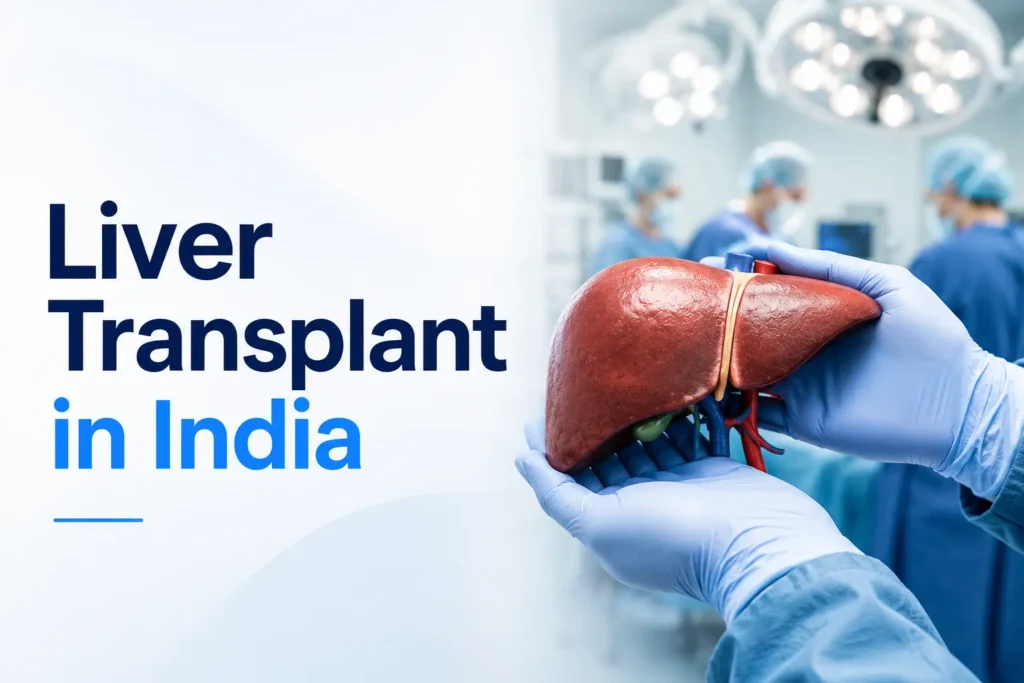
Liver problems often sneak up on you because the early signs are so easy to miss. You might just lose your appetite or feel a dull ache in your belly that feels like simple weakness. In bad cases, the damage hits the whole body hard, and the liver just stops doing its job. A liver transplant is a mechanical reset used to fix these deep system failures when nothing else works.
Liver transplant in India has become much more reliable and successful. Local hospitals have the right tools, and surgeons have handled thousands of very difficult cases. The cost for this level of care is much more affordable in India than in most other countries. If you get medical help early and follow the plan, you can truly get back to living a normal life with a healthy system.
Get Free Consultation Now
What Is a Liver Transplant?
This is a major surgery where medical experts remove a damaged liver and replace it with a new healthy liver. The source of the new liver can be either from a living person or from a dead individual. What makes this architecture impressive is that the liver can regenerate. If a donor decides to donate his liver, then the donor and recipient will each have a fully functional liver in a period of a few months.
Early Signs That May Lead to Liver Transplant
Serious liver damage usually sends out a few warning signals before the whole system fails. You have to watch out for jaundice, which turns your eyes yellow, or sudden swelling in your gut.
- Physical Changes: This includes yellowish skin, abdominal swelling, and bruising easily.
- System Glitches: You might feel a total loss of interest in food along with constant nausea.
- Mental Fog: Severe cases cause mental confusion because the liver isn’t cleaning the blood pipes anymore.
How Liver Transplant Is Diagnosed
Before anyone suggests surgery, the medical team does a massive inspection of your internal health. They run blood tests to see how the liver is handling fuel and use CT scans to map out the physical structure. They also check the heart and lungs to make sure the rest of your machinery is strong enough for the operation. These tests prove if a patient is a good candidate for a successful reset.
Liver Transplant Procedure
Once a patient is cleared for the move, the transplant is scheduled, and the team gets to work. This involves taking out the diseased organ and installing the new part so the plumbing can start working again. The operation takes several hours and requires a very skilled crew to protect the surrounding nerves and pipes. Patients spend time in the ICU afterward so the team can monitor the system while it stabilizes.
Benefits of Liver Transplant in India
A successful transplant is like getting a brand-new engine for your body. It fixes the chemical glitches and gives you a massive jump in your daily energy levels.
- System Stability: Improved liver function and total relief from those painful old symptoms.
- Life Extension: A much longer life expectancy and the ability to return to your normal routine.
- Internal Health: The new organ cleans the blood pipes properly and keeps the architecture strong.
Risks and Safety
Each significant advancement related to the plumbing within your body is accompanied by its own unique set of risks. You need to be wary of the potential for infection or any rejection of the new organ. To prevent rejection, virtually all recipients need to take immunosuppressant medication every day for the rest of their lives; missing doses can put the new liver at serious risk, so long-term commitment to this routine is essential. Regular blood tests and ongoing monitoring help keep both the medication dose and the organ’s health on track.
Why People Choose Liver Transplant in India?
Many people travel to India for this surgery because the doctors are top-tier and the price is fair. The hospitals are modern and have special centers just for transplant patients.
- Expert Teams: Access to surgeons who have performed thousands of successful system resets.
- Modern Infrastructure: High-tech imaging and ICU setups that are on par with the best in the world.
- Better Access: Shorter wait times and great follow-up care that doesn’t break the bank.
Liver Transplant Cost in India
Liver Transplant in India typically ranges from around $25,000 to $35,000. The cost can vary significantly depending on the type of transplant, whether the donor is living or deceased, the hospital, the surgeon’s experience, the patient’s medical condition, and the level of care required.
The exact cost also depends on factors such as pre-transplant evaluations, donor testing, surgery, ICU and hospital stay, medications, and post-transplant monitoring. These figures are general estimates, not fixed quotes. Medicsaz can help arrange a personalized cost estimate after a partner specialist reviews the patient’s medical records and treatment requirements.
How Medicsaz Supports Your Liver Transplant Journey in India
Medicsaz connects international patients with vetted partner hospitals and transplant specialists experienced in complex liver procedures, and coordinates everything around the process: cost estimates, medical records review, hospital and doctor matching, travel and visa support, accommodation, and a point of contact throughout your stay in India.
If you’re ready to explore Liver Transplant in India, reach out for a free consultation and cost estimate. Most inquiries get a response within 30 minutes.
Conclusion
Liver malfunction is a dangerous condition that has the ability to ruin your lifestyle completely if you ignore it for too long. The only effective solution in such a situation is a Liver Transplant in India, which will allow you to have an excellent outcome while investing minimal money. With the help of professional experts and several key modifications to your routine, you will be able to overcome this glitch easily.
Frequently Asked Questions
Will I need to take medication for the rest of my life after a liver transplant?
Yes — virtually all liver transplant recipients need to take immunosuppressant medication daily for life to prevent organ rejection, along with regular blood tests to monitor their health.
Is it safe for a living donor to give part of their liver?
Yes, when properly screened — the liver has a unique ability to regenerate, so both the donor’s remaining liver and the portion given to the recipient typically regrow to full size within a few months.
What are the early warning signs that someone may need a liver transplant?
Common signs include jaundice (yellowing of skin and eyes), abdominal swelling, easy bruising, loss of appetite, persistent nausea, and mental confusion in more severe cases.
How long does the liver transplant surgery take?
The procedure typically takes several hours and requires a highly skilled surgical team, followed by a period of monitoring in the ICU as the patient stabilizes.
What are the biggest risks after a liver transplant?
The main risks are infection and organ rejection, both of which are managed through immunosuppressant medication and close, ongoing monitoring by the transplant team.
Can a liver from a deceased donor work as well as one from a living donor?
Yes — both deceased and living donor liver transplants can be highly successful, and the right option depends on donor availability, urgency, and the patient’s specific medical situation.
Medically Reviewed
This page on Liver Transplant in India has been medically reviewed by Dr. Rashid Ali, MBBS, a Delhi Medical Council–registered practitioner (Registration No. DMC/R/36289), to ensure it reflects accurate, current, and evidence-based medical information.
At Medicsaz, every treatment page is checked by a licensed doctor before publication, not written by a marketing team alone. Dr. Rashid Ali review covers the accuracy of procedures, terminology, and claims described on this page, so patients researching Liver Transplant in India can rely on what they read here to make informed decisions.
Last medically reviewed: 09/09/2026
You can independently verify Dr. Rashid Ali’s registration on the Delhi Medical Council’s official website using Registration No. DMC/R/36289, or read more about his role as Medicsaz’s medical reviewer on his reviewer profile page.