
Liver Cancer Treatment in India
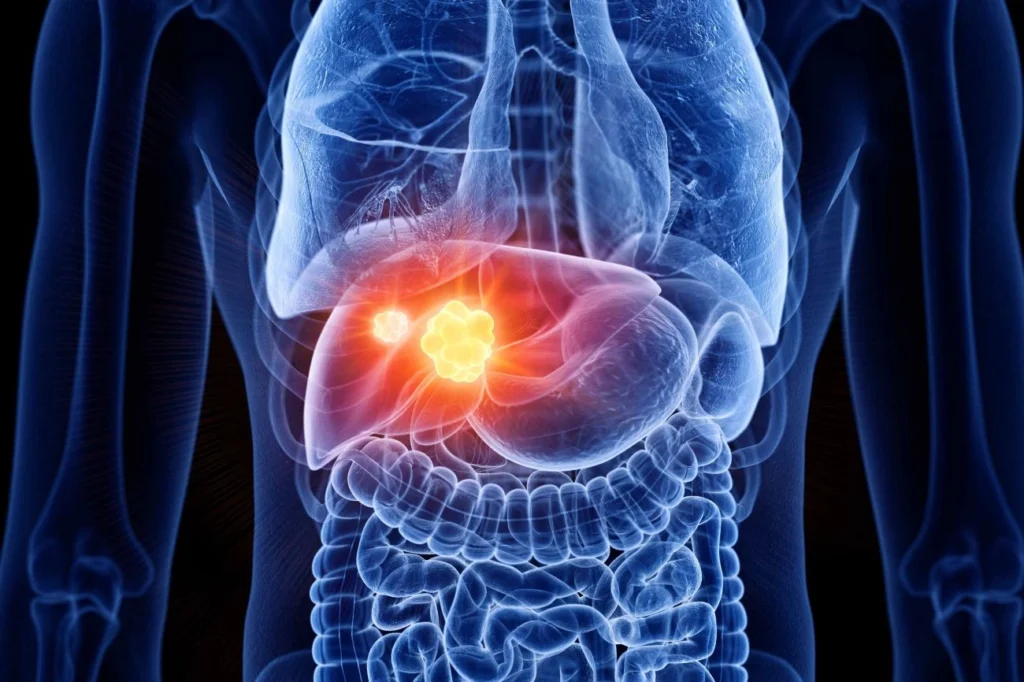
Liver cancer is not something people plan for. Many people don’t even think about their liver on a normal day. Life feels fine at first. People eat, work, travel, and follow the same routine. There’s no sharp pain, no sudden emergency. Just small things that feel easy to ignore. Feeling tired more often. Food does not taste the same. Weight dropping slowly. People usually push these signs aside. When these issues keep returning, and the body starts feeling weaker than usual, liver cancer treatment starts becoming a real concern for families.
Get Free Consultation Now
What Is Liver Cancer?
The liver is slowly doing a lot of work in the body. It filters the blood, digests food, and stores energy. When cancer occurs in the liver, some of the cells no longer follow the rules. They multiply when they shouldn’t. This doesn’t happen in one day. It takes time because the liver is still working even when it’s damaged. People easily overlook the symptoms. This is the reason many people don’t notice anything wrong in the early stage.
Who Needs Liver Cancer Treatment?
Not all problems in the liver indicate that one has cancer. The physician will first rule out any infections or liver damage. The need for treatment arises when the tests show that one has cancer and the symptoms begin to interfere with daily life. One normally seeks treatment for liver cancer in India when they begin to experience the following symptoms:
- Feeling tired all the time, even after adequate sleep and rest.
- Losing interest in food, with meals feeling heavy or uncomfortable.
- Weight dropping without dieting or exercise.
- Pain or pressure on the right side of the upper stomach that doesn’t go away.
- Yellow colour in the eyes or skin, often noticed by family first.
These signs don’t feel serious at the start, which is why many people delay checking.
Types of Liver Cancer
Doctors usually explain liver cancer types in simple words. They focus on where the cancer started and how it behaves.
Hepatocellular Carcinoma (HCC)
This is the most frequent form of liver cancer. It begins in the liver’s main cells. In most instances, it progresses slowly, especially in those who already have liver issues. The symptoms are not severe in the early stages. This is why it is usually discovered late.
Cholangiocarcinoma (Bile Duct Cancer)
This type begins in the bile ducts within or close to the liver. It may impact digestion and lead to yellowing of the eyes or skin. Physicians often carefully consider treatment options because it is different from other liver cancers.
Secondary (Metastatic) Liver Cancer
In this situation, the cancer begins in another area of the body and then metastasizes to the liver. The treatment is more aimed at slowing the progression of the cancer and managing symptoms, rather than just treating the liver.
Early-stage Liver Cancer
When cancer is found early and is limited to a small area of the liver, doctors usually have more treatment choices. Control and recovery chances are better at this stage.
Advanced Liver Cancer
In this case, cancer has spread beyond the liver and has also impacted other organs around it. The treatment in this case is focused on slowing the progression of the cancer, relieving pain, and making life easier for the patient.
How Liver Cancer Is Diagnosed?
Doctors don’t jump to conclusions. Diagnosis is done systematically. Blood tests assess the functioning of the liver. Scans enable doctors to see what’s going on inside. Sometimes a tiny tissue sample confirms the diagnosis. All this helps doctors plan liver cancer treatment in India carefully instead of guessing.
Process of Liver Cancer Treatment
Once cancer is confirmed, doctors slow things down. They sit with the patient and family. They explain what’s happening in plain language. Reports are reviewed carefully. The liver’s condition matters a lot here. The process usually looks like this:
- Doctors check how strong the liver is before choosing treatment
- A plan is made that the body can handle safely
- Treatment starts gradually, not all at once
- Doctors watch how the body reacts
- Changes are made if side effects appear
The goal is control, not shock to the body.
Benefits of Starting Treatment Early
Early treatment doesn’t make things easy, but it helps. Some benefits people notice are:
- Better control of pain and discomfort
- More energy to manage daily tasks
- Fewer sudden health scares
- More treatment choices early on
- Less fear once there’s a clear plan
Liver cancer treatment in India focuses on keeping life stable for as long as possible.
Risks and Safety
There is always fear associated with any kind of cancer treatment. This is normal. Some patients may feel weak, nauseated, or tired during the course of treatment. Since the liver is a sensitive organ, patients are closely watched by their doctors. Medications are changed if necessary. With regular follow-ups and careful planning, serious problems are caught early and managed properly.
Daily Challenges With Liver Cancer
Daily life changes in small but real ways.
- Energy runs out faster than before
- Eating full meals feels difficult
- Mood changes due to stress and uncertainty
- Hospital visits become part of the routine
- Depending on the family becomes unavoidable
Support from loved ones makes a big difference here.
Recovery and Long-Term Care
Recovery doesn’t always mean a cure. Often, it means learning how to live with the condition. Long-term care usually involves:
- Taking medicines regularly without skipping
- Following food advice that supports the liver
- Attending follow-ups even when feeling okay
- Managing fatigue with rest and routine
- Emotional support to handle fear and stress
Consistency matters more than speed.
Why People Choose India for Liver Cancer Treatment?
Many families choose liver cancer treatment in India because the system feels manageable. Doctors handle these cases often and explain things clearly. Hospitals follow a steady process instead of rushing decisions. Long-term care is easier to continue without big breaks. Family members are involved, which helps emotionally during a difficult time.
Conclusion
Liver cancer often hides behind small, everyday symptoms. That’s what makes it dangerous. Ignoring repeated signs only delays care. Early treatment provides more choices and greater control. Liver cancer treatment in India has been made better by planning and awareness. With proper treatment, follow-ups, and support from family members, patients with liver cancer live with strength and dignity.
Medically Reviewed
This page on Liver Cancer Treatment in India has been medically reviewed by Dr. Rashid Ali, MBBS, a Delhi Medical Council–registered practitioner (Registration No. DMC/R/36289), to ensure it reflects accurate, current, and evidence-based medical information.
At Medicsaz, every treatment page is checked by a licensed doctor before publication, not written by a marketing team alone. Dr. Rashid Ali review covers the accuracy of procedures, terminology, and claims described on this page, so patients researching Liver Cancer Treatment in India can rely on what they read here to make informed decisions.
Last medically reviewed: 09/09/2026
You can independently verify Dr. Rashid Ali’s registration on the Delhi Medical Council’s official website using Registration No. DMC/R/36289, or read more about his role as Medicsaz’s medical reviewer on his reviewer profile page.