Epilepsy Treatment in India
Most people don’t even know that epilepsy is a brain disease. It usually doesn’t matter to us until someone close suddenly has a seizure. When it happens for the first time, it’s scary and confusing. Because one moment, the person is fine, and the next, they’re on the floor, not responding. Families panic, and people around don’t know what to do. Thankfully, epilepsy treatment in India has improved a lot, and patients now get better care and guidance than before.
Get Free Consultation Now
What is Epilepsy?
Epilepsy is linked to how the brain sends signals. The brain controls everything we do, including walking, talking, thinking, and remembering, by using electrical signals. During a seizure, those signals don’t move properly. For a short time, they become irregular. That’s when the body reacts in unexpected ways.
A seizure doesn’t always mean a person has epilepsy. Most doctors only diagnose a person with epilepsy after they have repeated seizures with no apparent temporary cause.
When Treatment Becomes Important?
Starting treatment early really helps in the long run. It makes things easier to manage and gives better control over the condition. Some of the main benefits are:
- Seizures happen less often over time and in many cases become more controlled.
- Daily safety improves as the chances of sudden episodes reduce.
- Anxiety and fear slowly come down, both for the patient and the family.
- Confidence increases while doing normal things like going out or working.
- Life starts feeling more stable and predictable again.
- Early treatment often stops the condition from becoming more serious later.
Getting help on time can make a big difference and prevent many problems in the future.
Signs People Often Miss
One big reason epilepsy often gets ignored is that the signs are not always very clear. People don’t take them seriously at first because many symptoms are small or confusing. Some common signs that people notice are:
- Arms or legs suddenly move or jerk on their own, without any warning.
- The person may just stare at one place for a few seconds, as if they are not really there.
- After it’s over, they feel confused or very tired and don’t remember what happened.
- Short moments where the person just blanks out or looks lost for a few seconds.
- Odd feelings before it happens, like sudden fear, dizziness or something feeling “off”.
Because these signs don’t look serious, people often ignore them and don’t link them to epilepsy at first.
Types of Seizures
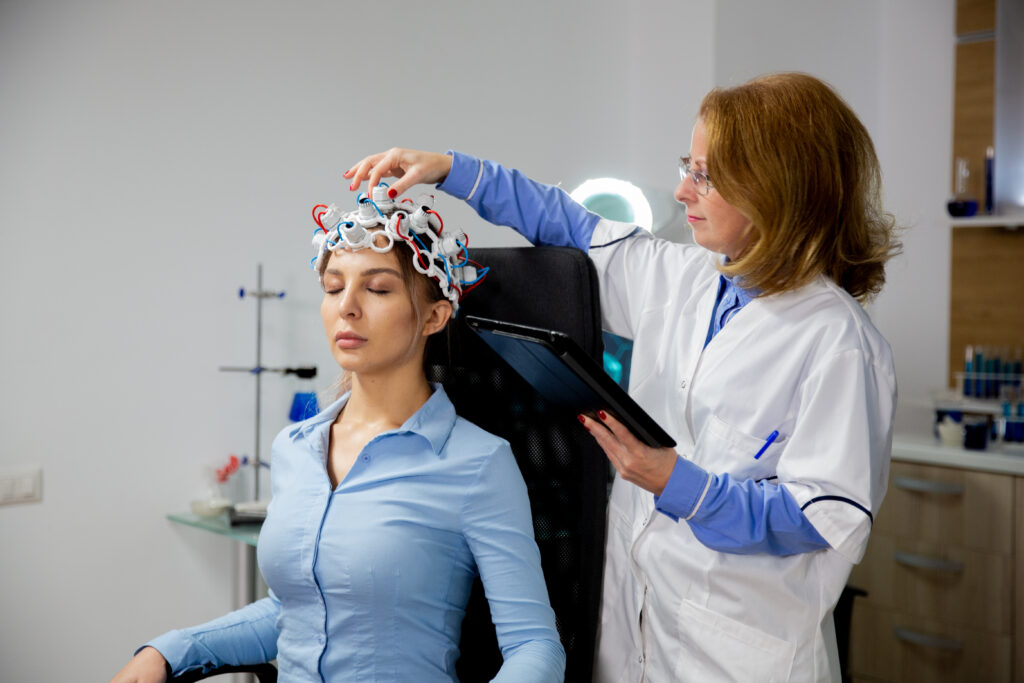
Doctors don’t treat all seizures the same way. Tests like EEG and scans help doctors decide this. They try to understand the seizures, which fall into two groups.
- Focal seizures: These start in one part of the brain. The person may remain awake but feel confused or uncomfortable.
- Generalised seizures: These affect both sides of the brain. Loss of consciousness and visible movements are more common here.
How Treatment Usually Starts
Once doctors are sure it’s epilepsy, they start treatment calmly. No rushing, no unnecessary waiting. Most patients start with medicines. These medicines help control abnormal brain signals. Some people respond well to the first medicine. Others may need changes in dose or combination.
Medicines need to be taken regularly. Missing doses can bring seizures back. This steady, long-term approach is a big part of Epilepsy Treatment in India today.
What If Medicines Don’t Fully Help?
Sometimes medicines don’t give full control. This doesn’t mean treatment has failed. Doctors may then explore other options, but only after proper testing. These can include special therapies or, in selected cases, surgery. Surgery is considered only when seizures start from a specific area and don’t respond to medicines. Such options are now available in several centres across India.
How Hard is Life With Epilepsy?
Epilepsy requires long-term treatment, though people can definitely have it and still have a normal life. Treatment here does not mean recovery. It means control. Doctors also tell people to sleep well, manage stress, and be consistent with their medications. Even emotional support is considered necessary. There is high anxiety felt by people who have just been diagnosed. That is natural. Family support is more important than most people recognise.
Safety and Side Effects
Most treatments are safe. However, some medicines have side effects. These side effects are often present at the beginning. Usually, doctors monitor this condition well. They can also take action if things are not quite right by adjusting the medicines.
Conclusion
One needs to have patience with someone with epilepsy, as the condition requires proper care. With the proper diagnosis of the condition and regular medication, seizures can be well handled so that life becomes as usual. Epilepsy Treatment in India now is much better compared to the past. People are becoming more aware, and the care is good too. Patients are not left guessing anymore.
Frequently Asked Questions
What are the common symptoms of epilepsy?
Symptoms vary but may include seizures, loss of awareness, uncontrolled jerking movements, staring spells, confusion, or sudden falls.
Can epilepsy be cured?
While epilepsy cannot always be permanently cured, it can often be effectively controlled with medications, surgery, or other advanced treatments, allowing patients to live normal lives.
Is epilepsy surgery safe?
Yes, epilepsy surgery is considered safe in specialized neurosurgical centers. Detailed brain mapping and imaging are done before surgery to minimize risks.
What should I do if someone has a seizure?
Stay calm, lay the person on their side, remove nearby dangerous objects, and do not put anything in their mouth. Seek medical help if the seizure lasts more than 5 minutes.
Can children undergo epilepsy treatment?
Yes, epilepsy treatment is available for both adults and children. Pediatric neurologists and neurosurgeons specialize in treating childhood epilepsy.