
Endoscopic Vein Harvesting Treatment in India
When a person gets told they need heart bypass surgery, most of the attention naturally goes to the heart itself. But lots of people don’t realise surgeons also need a healthy blood vessel from the patient’s own body to actually create the bypass. Before, this vein was accessed through a long cut running down the leg.
Today, many hospitals offer endoscopic vein harvesting treatment in India using newer techniques and methods. This method lets doctors remove the needed vein through just a few tiny cuts. For patients getting heart bypass operations, this approach has become preferred across major cardiac centres.
Get Free Consultation Now
What Is Endoscopic Vein Harvesting?
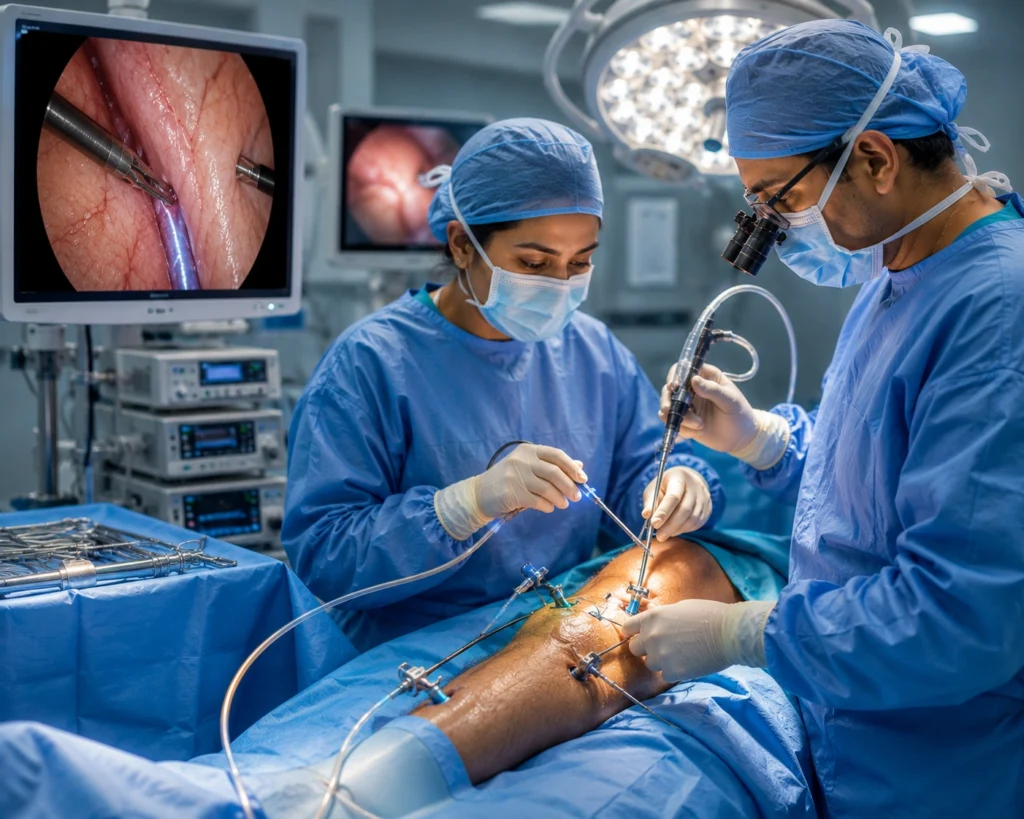
Endoscopic vein harvesting removes a leg vein (usually the saphenous) for heart bypass surgery. Instead of a long incision, the surgeon uses a small camera and instruments through tiny openings to remove the vein without damaging surrounding tissues. This minimally invasive approach reduces pain, scarring, and recovery time, while providing a high-quality vein. India has seen excellent results with this treatment for thousands of bypass patients.
Why is Endoscopic Vein Harvesting Done During Heart Surgery?
During coronary artery bypass surgery, blocked heart arteries need bypassing using another blood vessel that essentially becomes a detour route. Surgeons often pick veins from the patient’s leg because they’re long enough, strong, and easily accessible without causing major complications elsewhere.
Using the endoscopic method helps patients avoid huge wounds running down the leg. Those were terribly common with older techniques, causing major problems like infections, fluid collection, nerve damage, plus ugly scarring.
Who Needs Endoscopic Vein Harvesting in India?
This is mostly for people getting a “CABG” (bypass surgery). It’s a great fit if:
- The heart blockages are bad: If stents aren’t enough to fix the flow.
- You want to walk sooner: If you don’t want to be stuck in bed for weeks waiting for a leg wound to heal.
- Multiple bypasses: It is needed if the doctor needs a good amount of vein to fix several spots in the heart.
How Endoscopic Vein Harvesting Is Different from the Open Method?
In the traditional open method that’s been around for decades, surgeons made a long incision running from the ankle all the way up to the thigh just to expose and remove the vein completely. This approach led to considerable pain, swelling that lasted weeks, frequent infections, and highly visible scars that many patients found really distressing.
The endoscopic technique uses just small cuts with specialised tools. A tiny camera guides everything the surgeon does throughout the procedure. The vein gets removed precisely through these small openings with minimal damage to nearby tissues, nerves, or muscles. Patients experience noticeably less discomfort. Wounds heal much faster. Cosmetic results look significantly better compared to the open method.
Endoscopic Vein Harvesting Procedure Explained
The surgery is under general anaesthesia during the main bypass surgery. The surgeon makes one or two small cuts in the leg measuring just 1-2 centimetres each. A thin tube with a camera goes in first to see the vein clearly on the monitor screen. Special instruments carefully separate the vein from the surrounding tissue. Once the needed length is removed completely, the vein is immediately prepared for heart surgery use. Small incisions are then closed up.
The muscles around remain mostly unaffected by the whole process. The complete vein harvesting portion for endoscopic vein harvesting treatment in India typically takes about 30-45 minutes. The treatment time depends on vein quality and the patient’s anatomy.
Benefits of Endoscopic Vein Harvesting for Patients
This modern technique brings several real advantages over traditional methods:
- Smaller incisions: Just tiny cuts replace the long surgical wound that used to run down the entire leg.
- Less pain, discomfort: Reduced tissue damage translates directly into easier recovery with less medication needed.
- Lower infection risk: Smaller wounds heal faster with significantly fewer complications developing over time.
- Better cosmetic appearance: Minimal scarring versus the open method’s long, visible scar.
- Faster mobility return: Patients walk comfortably much sooner after surgery, often within 24-48 hours.
These combined benefits make it strongly preferred at cardiac centres offering endoscopic vein harvesting treatment in India today.
Risks and Possible Complications
Though generally safe with experienced surgeons, potential risks include: minor wound infection (may need antibiotics), temporary swelling/fluid collection, temporary numbness/tingling from nerve irritation, and rare bleeding complications. Doctors monitor patients closely for early issue management.
Follow-Up After Discharge
Follow-up visits scheduled at regular intervals let doctors carefully check wound healing progress, plus overall heart surgery recovery status. Diet modifications, medication adherence, and gradually increasing activity guidelines all matter tremendously for long-term success.
Conclusion
Endoscopic vein harvesting treatment in India has revolutionised the entire bypass surgery patient experience in recent years across the country. Avoiding those long, painful leg incisions significantly reduces post-operative pain and speeds up the healing process considerably. It also lowers complication risks substantially compared to older methods.
Many advanced cardiac centres across India now routinely use this technique as their standard approach. Skilled surgeons working with modern equipment consistently deliver safer procedures. Understanding this important bypass surgery step thoroughly helps patients feel genuinely prepared and noticeably less anxious about the whole treatment journey ahead.
Medically Reviewed
This page on Endoscopic Vein Harvesting Treatment in India has been medically reviewed by Dr. Rashid Ali, MBBS, a Delhi Medical Council–registered practitioner (Registration No. DMC/R/36289), to ensure it reflects accurate, current, and evidence-based medical information.
At Medicsaz, every treatment page is checked by a licensed doctor before publication, not written by a marketing team alone. Dr. Rashid Ali review covers the accuracy of procedures, terminology, and claims described on this page, so patients researching Endoscopic Vein Harvesting Treatment in India can rely on what they read here to make informed decisions.
Last medically reviewed: 09/09/2026
You can independently verify Dr. Rashid Ali’s registration on the Delhi Medical Council’s official website using Registration No. DMC/R/36289, or read more about his role as Medicsaz’s medical reviewer on his reviewer profile page.