
Double Valve Replacement in India
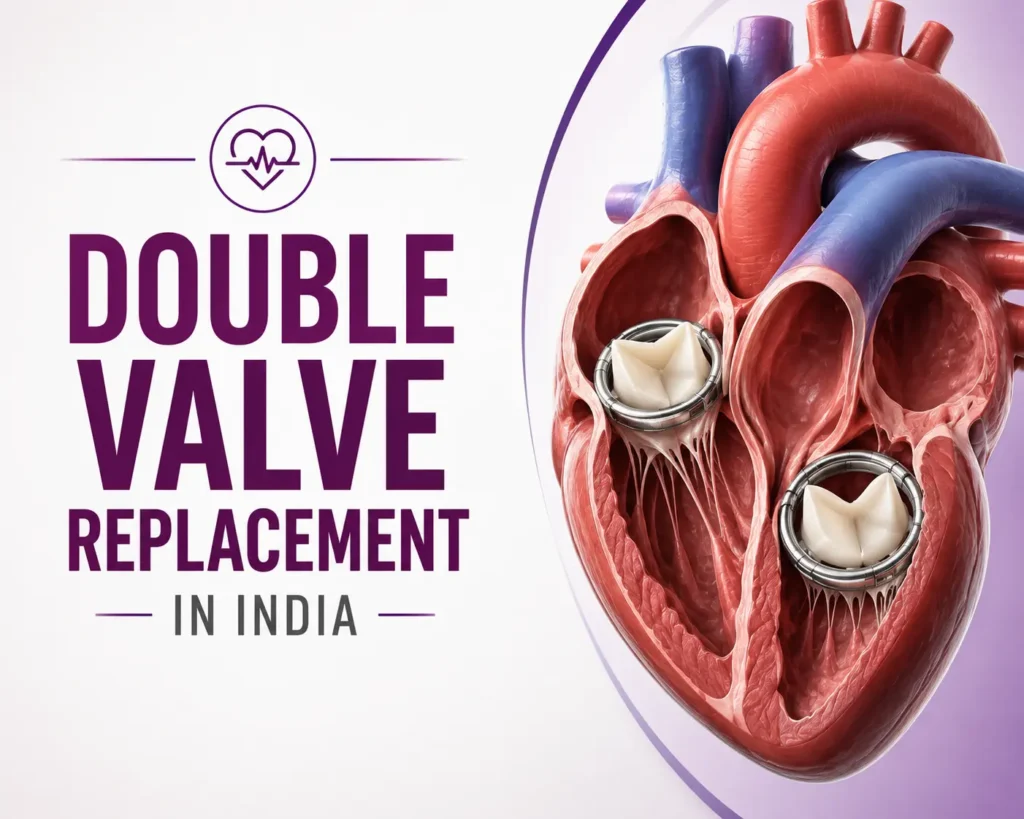
Heart valve issues typically worsen slowly. Initial mild fatigue or shortness of breath may seem minor, but when multiple valves fail, symptoms become severe, disrupting daily life. This signifies a major structural heart issue causing progressive strain on the heart.
In these cases, doctors may suggest replacing both damaged valves during a single surgery. It sounds like a complex procedure, but with modern care and advanced tools, the results have improved significantly. Double Valve Replacement in India is now performed in many specialized centers using a structured surgical approach to restore normal heart function and get patients back on their feet.
Get Free Consultation Now
What Is Double Valve Replacement Surgery?
Double valve replacement is a major heart operation where two damaged heart valves are repaired at the same time. These valves act like gates that ensure blood flows in the right direction through the heart. If they don’t open and close correctly, blood flow becomes inefficient and can move backward. Replacing both valves restores normal function and reduces the strain on the heart’s overall pumping ability.
When Is Double Valve Replacement Needed
This surgery is usually recommended when two valves are severely damaged and cannot be fixed with medication or simple repair:
- Severe Damage: When the valve damage is too extensive for a repair to be effective
- Significant Strain: When diagnostic tests show the heart is under too much pressure to function well long-term
- Daily Impact: If symptoms are severe enough to prevent basic tasks like walking or climbing stairs
- Valve Narrowing: When the valves become too stiff and narrow, restricting blood flow to the rest of the body
Causes of Valve Damage
Valves become defective because of several reasons leading to deterioration in the functioning of the heart with time:
- Rheumatic fever: One of the most common causes in India, wherein the valves get damaged gradually due to some previous infection.
- Age-related: Gradual thickening or leakage of the valves due to the process of natural aging
- Infection or Congenital: Some infections such as endocarditis or some congenital disorders may damage the structure of the valves
- Calcification of the valves: The hard calcium deposits in the valves prevent them from opening and closing effectively
Tests and Diagnosis Before Surgery
Doctors use several diagnostic tools to assess the heart before planning surgery:
- Echocardiography: The main test used to get a live view of how the valves are functioning
- ECG Monitoring: Checks the heart’s electrical rhythm for any irregularities
- Chest X-ray: A simple scan to check heart size and look for fluid in the lungs
- Cardiac Catheterization: Measures pressure inside the heart to plan the surgery precisely
Double Valve Replacement Surgery Procedure Explained
Under general anesthesia, the patient will sleep during the entire process of the surgery. The surgeons open the chest to operate on the heart. Both valves are removed, and new artificial valves are used to replace them. After the process is over, the heart is revived. It is an intricate process conducted by specialists in cardiac surgery.
Types of Valves Used in Replacement Surgery
Two types of valves are selected, and this choice plays a crucial role with serious long-term consequences:
- Mechanical Valves are manufactured from tough materials (carbon or titanium) and are expected to last a lifetime. However, they need lifelong anticoagulation therapy with the use of warfarin. It is not a one-time treatment and definitely not temporary. Missing any dose of this medication or failing to follow the course raises the risk of blood clotting and stroke very significantly. It should be clearly understood that the commitment to take medication is serious.
- Biological Valves are made of animal tissue (cow or pig). They behave like natural valves and do not require lifelong anticoagulation (they only last from 10 to 20 years). They are suitable mostly for elderly people or for those who cannot have lifelong anticoagulation.
The cardiology specialists will help you make a proper choice depending on your age and health conditions.
Recovery After Double Valve Replacement in India
Recovery takes time and depends on the patient’s overall health before surgery. After the procedure, most patients remain in the hospital for several days to confirm stability. The initial recovery phase focuses on pain management and breathing exercises to keep the lungs clear. Full healing of the chest bone typically takes a few weeks of rest once the patient is home.
Risks and Complications of Surgery
As with any major heart surgery, there are risks that the medical team monitors closely:
- Bleeding: There is always some risk of bleeding during or shortly after surgery
- Infection: A small risk of infection at the surgical site or in the bloodstream
- Clot Risks: Blood clots can form on new valves, particularly with mechanical valves if anticoagulation isn’t managed properly
- Rhythm Issues: The heart’s rhythm may be temporarily irregular for a few days after surgery
Long-Term Care and Follow-Up
After surgery, ongoing care is essential for long-term success. Patients with mechanical valves will need lifelong anticoagulant medication and regular blood tests to monitor its effectiveness. Regular checkups help the surgical team track valve performance over the years. Healthy habits like a good diet and regular walking also support long-term heart health.
Double Valve Replacement in India Cost
Double Valve Replacement in India typically costs around $8,000 to $16,000. The cost varies depending on the valves being replaced, type of prosthetic valve, surgical technique, hospital, cardiac surgeon, diagnostic tests, ICU and hospital stay, medications, and the patient’s overall medical condition.
The exact cost depends on pre-surgical cardiac evaluations, echocardiography, blood tests, valve selection, surgical and hospital charges, ICU care, medications, rehabilitation, and follow-up care. These figures are general estimates, not fixed quotes. Medicsaz can provide a personalized cost estimate after a partner cardiac specialist reviews the patient’s medical records and treatment requirements.
How Medicsaz Supports Your Double Valve Replacement in India Journey
Medicsaz connects international patients with vetted partner hospitals and experienced cardiac surgeons for Double Valve Replacement in India. The team assists with medical record review, hospital and surgeon matching, treatment and cost estimates, travel and visa support, accommodation, and coordination throughout the patient’s treatment journey in India.
For patients exploring Double Valve Replacement Treatment in India, Medicsaz can help identify an appropriate cardiac specialist and treatment approach based on the patient’s medical records, while providing guidance on expected costs and the overall treatment process.
Conclusion
Multiple valve disease can seriously affect quality of life if left untreated. Surgery is often the best option when both valves are damaged beyond simple repair. Double Valve Replacement in India offers advanced care that helps restore heart function, and understanding the tradeoffs between valve types upfront helps patients make the right choice for their long-term lifestyle and health.
Frequently Asked Questions
Do I need to take blood thinners forever after valve replacement?
It depends on the valve type. Mechanical valves require lifelong daily anticoagulant medication to prevent clotting, while biological valves generally don’t require long-term blood thinners.
What's the difference between mechanical and biological heart valves?
Mechanical valves typically last a lifetime but require lifelong anticoagulation, while biological valves don’t need long-term blood thinners but usually last only 10 to 20 years before needing replacement.
Which valve type is better for younger patients?
This depends on individual circumstances, but younger patients are often more likely to be recommended mechanical valves due to their durability, provided they can safely manage lifelong anticoagulation.
What is the most common cause of valve disease requiring double valve replacement in India?
Rheumatic fever, resulting from an untreated infection earlier in life, remains one of the most common causes of valve disease in India.
How long does recovery take after double valve replacement surgery?
Recovery varies by individual, but most patients stay in the hospital for several days and need a few weeks of rest at home for the chest bone to heal fully.
What happens if someone with a mechanical valve stops taking their blood thinners?
Stopping anticoagulation with a mechanical valve significantly raises the risk of dangerous blood clots forming on the valve, which can lead to serious complications like stroke.
Medically Reviewed
This page on Double Valve Replacement in India has been medically reviewed by Dr. Rashid Ali, MBBS, a Delhi Medical Council–registered practitioner (Registration No. DMC/R/36289), to ensure it reflects accurate, current, and evidence-based medical information.
At Medicsaz, every treatment page is checked by a licensed doctor before publication, not written by a marketing team alone. Dr. Rashid Ali review covers the accuracy of procedures, terminology, and claims described on this page, so patients researching Double Valve Replacement in India can rely on what they read here to make informed decisions.
Last medically reviewed: 09/09/2026
You can independently verify Dr. Rashid Ali’s registration on the Delhi Medical Council’s official website using Registration No. DMC/R/36289, or read more about his role as Medicsaz’s medical reviewer on his reviewer profile page.