
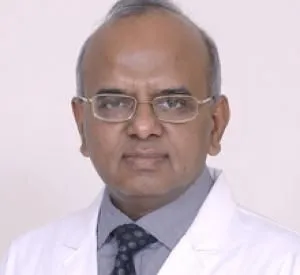
Dr. Sharad Kumar Aggarwal
Over 36 years
Max Super Speciality Hospital, Patparganj
New Delhi, India
Introduction
Dr. Sharad Kumar Aggarwal is an orthopaedic surgeon with over 36 years of experience treating joint issues, fractures, and injuries. People see him after accidents, bad joint pain, or when arthritis makes moving around tough. Some want a second opinion before going through surgery. Others get sent over for complicated fracture work.
About Dr. Sharad Kumar Aggarwal
He has worked in various hospitals in India and abroad, and he has seen almost everything when it comes to bones and joints. Over the years, he has fixed busted joints, patched up trauma cases, and sorted out the various bone problems that come with age. Before he suggests surgery, he sits down with the reports and goes through them to see if the problem can be sorted out with medication, support, or physiotherapy itself.
He is very passionate about joint replacements and trauma surgery. This includes hips, knees, shoulders, elbows, and fractures in major bones. But he is also convinced that many orthopaedic problems don’t need surgery at all, provided they are sorted out the right way from the very beginning.
Qualifications
- MBBS – Maulana Azad Medical College, University of Delhi
- MS (Orthopaedics) – University of Delhi / Dr. Ram Manohar Lohia Hospital
- MCh (Orthopaedics & Trauma Surgery) – University of Dundee, Scotland, UK
- AO Trauma Masters Course – Complex Trauma
- Advanced Trauma Life Support (ATLS), American College of Surgeons
Awards & Recognition
- Adjudged the Best MCh Ortho Candidate (1996-97)
- Awarded Prof. Smile Award for standing first in MCh (Ortho) Examination at the University of Dundee, Scotland, UK
- Former Vice President of the Delhi Orthopaedic Association
- Former President of the East Delhi Orthopaedic Association
Specialities & Expertise
- Joint replacement surgery
- Trauma and fracture management
- Hip, knee, shoulder, and elbow procedures
- Pelvis and acetabulum fracture care
- Arthritis and joint degeneration treatment
Patient Experience & Approach
He also lets the patients talk about their pain and movement issues, and doesn’t rush them to finish their stories. This way, he gets the full picture of how it is affecting their lives and routines. When reading the reports, he also makes sure the language is simple so the families understand what is coming up for their loved ones.
He also stresses rehabilitation and physiotherapy after the treatment is over. He believes that it is not just about the surgery, but it depends heavily on how well you take care of yourself once you’re home.