
How to Achieve Maximum Life After a Kidney Transplant?
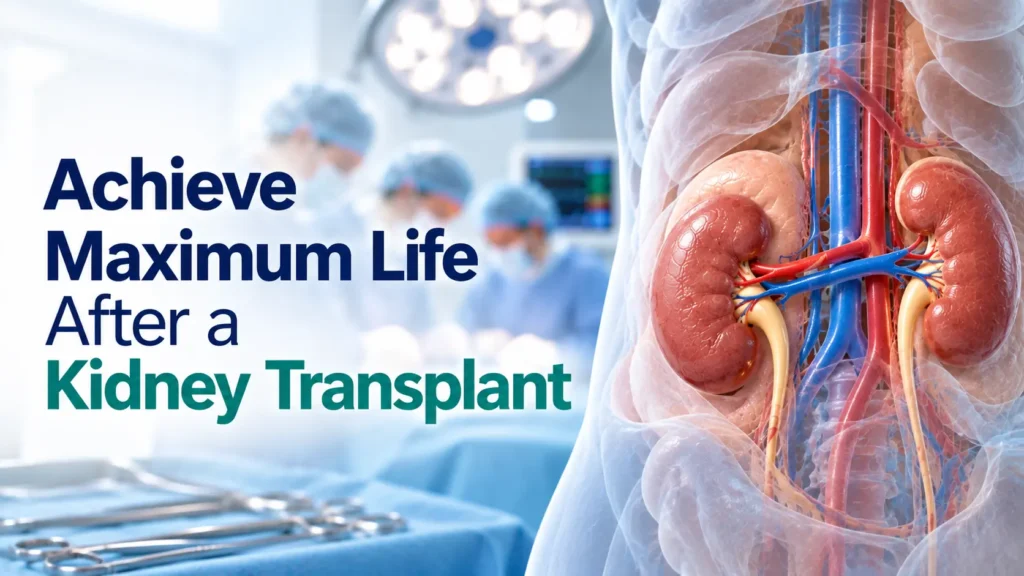
For people with kidney failure, a kidney transplant can change lives. By regaining independence and improving well-being, dialysis is a thing of the past. Yet, surgery’s just the start—the real work comes in managing the new organ for life. Staying on top of the graft’s health long-term through committed care remains the big hurdle.
Recipients usually live active lives for decades after getting a new kidney. Following the doctor’s advice, keeping up with their health, and going to all check-ups helps them a lot. Understanding these daily steps is the best way to achieve the maximum life after a kidney transplant.
Get Free Consultation Now
Understanding Life After a Kidney Transplant
See the post-op period as a highly structured time for your body to adjust. Your insides rapidly change as the new organ starts cleaning waste and balancing fluids. Keeping things stable means sticking to medical guidelines long-term, which is essential to achieve the maximum life after a kidney transplant, making sure the body keeps accepting this new piece of itself with no hidden issues.
Why Post-Transplant Care Is Important
Preventative tracking schedules protect vulnerable grafts by catching cellular changes and sudden immune reactions early. Nephrologists use these schedules to find tiny tissue wall alterations. Before they lead to serious organ damage, they recommend regular checks to catch problems early:
- Preventing rejection: Keeping the body’s defensive white cells from recognizing and attacking the new foreign organ tissue.
- Monitoring kidney function: Running frequent laboratory blood tests to ensure waste filtration levels remain completely stable.
- Managing side effects: Tracking daily prescription impacts so your care team can alter chemical balances safely over time.
Sticking to this structured clinical routine serves as a vital shortcut. It helps to achieve the maximum life after a kidney transplant while reducing the risk of sudden hospital readmissions.
Taking Immunosuppressant Medicines Correctly
Your daily prescription shield works by intentionally lowering your natural immune reactions so the foreign organ can survive inside the abdomen. Missing even a single target hour can trigger a sudden wave of defensive antibodies that damage the microvascular connections of the graft:
- Take medicines on time: Maintain fixed daily schedules to prevent your internal drug levels from dropping dangerously low.
- Follow prescribed dosages: Keep your intake strictly aligned with clinical targets without making personal adjustments to the pills.
- Maintain a medication schedule: Use digital alarms or daily logs. It helps to eliminate any memory errors during your recovery phase.
Healthy Eating Habits for Kidney Transplant Recipients
A balanced nutritional intake directly reduces the physical workload placed on your new filtration pathways every single day. Patients must transition away from heavy sodium compounds and greasy fats to prevent arterial narrowing and excess fluid accumulation within the tissues. Focusing on lean protein sources and precise daily hydration volumes keeps the internal filtration pressure within an ideal physiological zone. These efforts help you achieve the maximum life after a kidney transplant.
The Role of Exercise in Long-Term Kidney Health
Moving around isn’t just about getting those muscles toned. It’s key for keeping your new renal arteries clear and flexible, too, which helps you achieve the maximum life after a kidney transplant. Doing light cardio regularly can lower your resting blood pressure, which is super important since constant strain can scar those tiny kidney filters over time. Starting slow can be a way to be more consistent. Like with daily walks, it builds up your endurance while being gentle on your healing abs.
Managing Blood Pressure, Diabetes, and Cholesterol
A newly grafted kidney can be ruined by chronic metabolic disorders if blood sugar and pressure aren’t controlled. High glucose damages tiny blood vessels through chemical changes, while unmanaged cholesterol forms rigid plaque, blocking oxygen flow. So, working with your specialist to stabilize these levels is key – it protects the kidney and stops early failure, helping you achieve the maximum life after a kidney transplant.
Protecting Your Skin: An Often-Overlooked Risk
One important long-term risk many transplant recipients aren’t aware of is a significantly increased chance of developing skin cancer. This happens because the same immunosuppressant medications that protect your new kidney also reduce your skin’s natural ability to defend against UV damage. In fact, studies show only about a quarter of transplant recipients know they’re at higher risk, so this is worth taking seriously from early on. Protecting yourself involves using a broad-spectrum sunscreen (SPF 30 or higher) daily, wearing protective clothing and a wide-brimmed hat when outdoors, avoiding peak sun hours, and scheduling regular skin checks with a dermatologist, ideally at least once a year. Prioritizing this is a key step to achieve the maximum life after a kidney transplant.
Regular Follow-Up Tests and Health Check-Ups
To build a flawless long-term map of your internal renal plumbing, medical teams put your blood and urine through continuous laboratory tracking. Doctors look at creatinine clearance numbers and exact immunosuppressant serum densities to ensure your current drug routine matches your precise biological needs. This thorough assessment ensures that tracking your maximum life after a kidney transplant is backed by exact, real-time metrics rather than simple guesswork.
If you’ve traveled to India for your transplant and are returning to your home country afterward, it’s important to arrange this ongoing monitoring with a nephrologist near you before you leave. Make sure your complete transplant records, including your specific immunosuppressant regimen and recent lab results, are shared with your home care team, so your follow-up testing continues without any gaps.
Warning Signs You Should Never Ignore
When your graft misbehaves, it lets you know while doing regular daily stuff. It screams for medical help. Less urine, random fevers, or sudden weight gain from fluids are major signs. Don’t ignore them because a rejection issue can lead to tissue death. It turns something fixable into serious harm, so call your care team ASAP.
Tips to Improve Long-Term Kidney Transplant Success
Simple daily habits at home make a massive difference in protecting the new organ from experiencing unexpected functional decay. Following these straightforward lifestyle tracks keeps your entire circulatory network clean and stable throughout the coming decades:
- Take all medicines exactly as prescribed: Stick strictly to your daily anti-rejection drug regimen without variance.
- Attend every follow-up appointment: Meet your nephrologist for scheduled blood checks to catch changes early.
- Maintain a healthy diet: Watch what you eat – avoid salt and processed sugars like they’re the plague.
Conclusion
A kidney transplant means a shot at better health, but keeping it working great needs effort. Be really careful with your medications, eat right, exercise, and get help for infections. That way, you can stay healthy for a long time. So, being on top of stuff post-transplant is super important.
To get the best results and achieve the maximum life after a kidney transplant, it’s a teamwork deal with your docs and your family. By making smart choices and attending all your check-ups, you can enjoy great kidney health and an awesome, independent life ahead, achieving the expected maximum life after a kidney transplant.
Frequently Asked Questions
How soon after surgery will I know if my body is rejecting the kidney?
Rejection can happen anytime, but the risk is highest in the first few months after transplant, which is why follow-up visits are most frequent early on. Warning signs like reduced urine output, unexplained fever, or sudden fluid-related weight gain should be reported to your care team immediately, since early treatment gives the best chance of reversing rejection.
Will I need to take immunosuppressant medication forever?
Yes, lifelong immunosuppressant therapy is necessary to prevent your body from rejecting the transplanted kidney. Doses are often adjusted over time, sometimes lowered once your body stabilizes, but the medication itself is never stopped as long as the graft is functioning.
Why are kidney transplant recipients at higher risk of skin cancer?
The same immunosuppressant medications that protect your new kidney also reduce your skin’s natural defense against UV damage, significantly raising skin cancer risk over time. This is why daily sun protection and regular dermatologist checkups are recommended as a standard part of long-term care.
Can I still get diabetes or high blood pressure after a kidney transplant even if I didn't have it before?
Yes, this is a recognized risk, partly related to the immunosuppressant medications themselves, and it’s taken seriously because uncontrolled blood sugar or blood pressure can damage the new kidney over time. Regular monitoring helps catch and manage these conditions early if they develop.
How do I continue my follow-up care if I return home after getting a transplant in India?
Before leaving, arrange ongoing monitoring with a nephrologist in your home country and make sure your complete transplant records, including your immunosuppressant regimen and recent lab results, are shared with them. This ensures your follow-up testing continues without gaps once you’re no longer near your transplant center.
What daily habits make the biggest difference for long-term transplant success?
Taking medication exactly as prescribed, attending every follow-up appointment, and maintaining a healthy diet low in salt and processed sugar are the most consistently important factors. Missing even small parts of this routine, like a dose or a checkup, can meaningfully raise the risk of complications over time.
Medically Reviewed
This page has been medically reviewed by Dr. Rashid Ali, MBBS, a Delhi Medical Council–registered practitioner (Registration No. DMC/R/36289), to ensure it reflects accurate, current, and evidence-based medical information.
At Medicsaz, every treatment page is checked by a licensed doctor before publication, not written by a marketing team alone. Dr. Rashid Ali review covers the accuracy of procedures, terminology, and claims described on this page, so patients researching can rely on what they read here to make informed decisions.
Last medically reviewed: 09/09/2026
You can independently verify Dr. Rashid Ali’s registration on the Delhi Medical Council’s official website using Registration No. DMC/R/36289, or read more about his role as Medicsaz’s medical reviewer on his reviewer profile page.