
Lipid Disorders Treatment in India
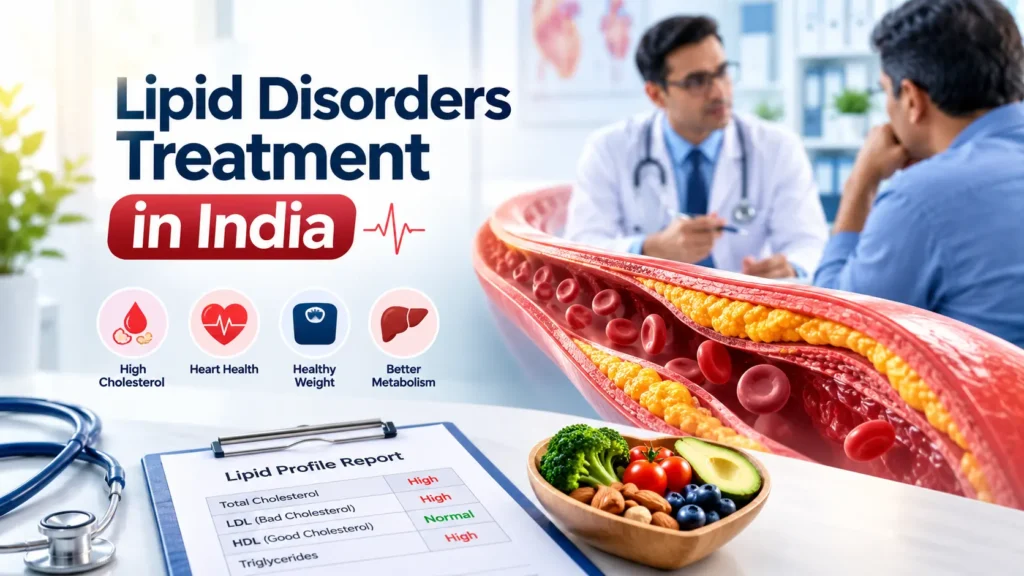
It is believed by many people that suffering from high cholesterol is accompanied by sickness or dizziness in individuals; however, this is a wrong belief indeed. The truth lies in the fact that the presence of unhealthy fats in your blood vessel system may accumulate unnoticed for decades without making you feel sick or unwell in any way possible. This accumulation leads to the narrowing of your blood vessels, which leads to the possibility of having a stroke or heart attack, among others.
If your body faces difficulty maintaining the right level of fats in the blood system, then a special cardiological treatment will assist in restoring the balance. Booking Lipid Disorders Treatment in India connects you with skilled heart specialists, quality diagnostic labs, and dedicated nutritional support teams to help protect your vascular health.
Get Free Consultation Now
What Are Lipid Disorders?
A lipid disorder happens because there is an imbalance in the amount of fats found in your blood. The lipids include important molecules, such as cholesterol and triglycerides, among others. There are situations where one might have a lot of bad fats while having too little of good fats, thus causing damage to the blood vessels and forcing the heart to work harder than it should.
Common Causes of High Cholesterol and Lipid Imbalances
Cholesterol problems and lipid disorders are caused by certain conditions or lifestyle choices that lead to an individual suffering from high levels of cholesterol and lipid disorders. Poor dietary practices coupled with a sedentary lifestyle are common reasons behind the high amounts of lipids in the body, especially in terms of excess triglycerides and LDL levels. It is important to mention that individuals who suffer from familial hypercholesterolemia have high cholesterol levels from childhood, despite what their lifestyle choices and diets are.
Types of Lipid Disorders Explained
Your doctor will review your blood work to determine exactly which type of fat imbalance you There are certain things you may have, considering the fact that treatments depend on your individual results:
- High LDL Cholesterol – Excess of “bad cholesterol”, which can cause plaque buildup in your arteries.
- Low HDL Cholesterol – Deficiency of “good cholesterol”, which is responsible for removing extra fat from your blood vessels.
- High Triglycerides – Abnormally elevated level of triglycerides that can cause a number of health problems.
- Mixed Dyslipidemia – A combination of different fat disorders.
How Lipid Disorders Affect Heart Health
- Unhealthy fat concentrations in blood vessel channels set off a gradual chain reaction that has negative effects on your circulatory system.
- Fats and triglycerides circulating in your blood develop into arterial plaque, forming deposits in blood vessel walls.
- The buildup of plaque causes a narrowing of the arteries and reduces the supply of oxygen and nutrients to body organs such as the brain and heart.
- Early diagnosis and intervention become necessary for the prevention or slowing of this development before further complications or blockages develop.
Lipid Disorders – Tests and Diagnosis in India
Your medical team needs to perform comprehensive tests first to ascertain your own individual lipid composition. The doctor usually employs a fasting lipid profile test to determine your actual levels of cholesterol and triglycerides, as well as blood glucose testing to exclude associated disorders such as diabetes.
Treatment Options for Lipid Disorders in India
- Heart specialists use several standard approaches to manage lipid disorders based on age and overall cardiovascular risk.
- Patients often begin with dietary modifications and regular physical activity to naturally improve lipid levels.
- Medication may be recommended by a specialist if lifestyle changes are insufficient.
Modern cardiac care centers offering Lipid Disorders Treatment in India often combine both approaches for the best results.
Medicines Used to Control Cholesterol Levels
Medication may be essential in managing lipid abnormalities if other non-pharmacological measures prove insufficient. Statins are the first-line drug used in lowering the cholesterol made by the liver in patients, whereas absorption blockers help in decreasing absorption of cholesterol from the intestines, and fibrates are particularly efficient in reducing high triglycerides.
The statin class, being very safe and efficient, may still lead to certain side effects. The side effects include mostly mild muscle aches; however, in rare cases, the statin may affect the level of liver enzymes or cause rhabdomyolysis. You should inform your doctor of such symptoms and should not stop taking the medication yourself if these symptoms appear.
Diet and Lifestyle Changes for Better Lipid Management
Consistent daily habits can meaningfully support your treatment plan. Nutritionists typically recommend a diet rich in fresh fruits, vegetables, and lean proteins to help manage cholesterol levels. Regular exercise and avoiding tobacco also support long-term vascular health and can enhance the effectiveness of your overall treatment plan.
Long-Term Monitoring and Prevention of Complications
For continued success, it is important to have regular assessments despite the improvements seen in your cholesterol numbers. The following are some of the tests that will be done regularly by your specialist to identify problems before they become serious:
- Regular Blood Tests for Cholesterol: These tests ensure that you continue having ideal cholesterol levels in your body.
- Blood Pressure Tests: These tests will help prevent strain on the walls of the blood vessels.
- Tests for Diabetes: High blood sugar levels worsen the negative effects of cholesterol on the blood vessels.
- Regular Heart Assessment Tests: To assess your heart and overall circulatory system.
Staying consistent with this monitoring after your Lipid Disorders Treatment in India is key to maintaining long-term heart health and preventing future complications.
Lipid Disorders Treatment in India Cost
Lipid Disorders Treatment in India typically costs around $500 to $3,500, depending on the type and severity of the lipid disorder and the treatment required. Medication-based management for high cholesterol or triglycerides is generally more affordable, while patients with severe or familial lipid disorders may require advanced lipid-lowering therapies that can increase the overall cost.
The exact cost depends on the patient’s lipid profile, diagnostic tests, specialist consultations, medications, treatment duration, cardiovascular risk, and need for advanced therapies. Patients requiring long-term or specialized treatment may have higher overall costs. These figures are general estimates, not fixed quotes. Medicsaz can provide a personalized estimate after a partner specialist reviews the patient’s medical records and treatment requirements.
How Medicsaz Supports Your Lipid Disorders Treatment in India Journey
Medicsaz connects international patients with vetted partner hospitals and experienced cardiologists, endocrinologists, and lipid specialists for Lipid Disorders Treatment in India. The team assists with medical record review, hospital and specialist matching, treatment and cost estimates, travel and visa support, accommodation, and coordination throughout the patient’s treatment journey.
For patients exploring Lipid Disorders Treatment in India, Medicsaz can help identify an appropriate specialist and treatment approach based on the patient’s medical records, lipid profile, cardiovascular risk, and clinical requirements.
Conclusion
Lipid disorders are often silent conditions that can quietly affect your blood vessels until they lead to a serious event like a heart attack or stroke. Fortunately, modern healthcare offers effective ways to manage these conditions through a combination of lifestyle changes and, when needed, medication.
Choosing Lipid Disorders Treatment in India gives you access to experienced heart specialists, advanced diagnostic testing, and quality care at accessible costs. By catching issues early through regular blood tests and following your doctor’s treatment plan, including an honest understanding of both the benefits and potential side effects of any medication, you can effectively manage your lipid levels and support long-term heart health.
Frequently Asked Questions
Can high cholesterol be genetic, or is it always caused by diet?
It can be genetic. A condition called familial hypercholesterolemia causes very high cholesterol from birth regardless of diet or lifestyle, and it often runs in families. If you have a strong family history of early heart disease or very high cholesterol, it’s worth discussing this possibility with your doctor.
Do statins have side effects?
Statins are generally safe and well-tolerated, but mild muscle aches are a relatively common side effect, and rare but more serious effects like liver enzyme changes or muscle breakdown (rhabdomyolysis) can occur. If you notice new muscle pain, weakness, or dark urine while taking a statin, contact your doctor rather than stopping the medication on your own.
What's the difference between LDL and HDL cholesterol?
LDL is often called “bad” cholesterol because it can build up as plaque in your arteries, while HDL is called “good” cholesterol because it helps clear excess fat from your bloodstream. Your treatment plan depends on your specific balance of these, along with your triglyceride levels.
Can lipid disorders be managed with diet alone?
For some people, especially with milder imbalances, diet and exercise changes can meaningfully improve lipid levels without medication. However, others, particularly those with a genetic cause or more significant imbalances, will need medication alongside lifestyle changes to reach healthy levels.
Why does high cholesterol not cause noticeable symptoms?
Cholesterol buildup happens gradually inside blood vessels without directly affecting nerve endings or triggering pain, which is why it can progress silently for years. This is exactly why routine blood testing, rather than waiting for symptoms, is the recommended way to catch lipid disorders early.
How often should I get my cholesterol checked?
This depends on your individual risk factors, including family history, age, and existing health conditions, so it’s best to follow your doctor’s personalized recommendation. Regular monitoring becomes especially important once you start treatment, to confirm your levels are responding well and staying in a healthy range.
Medically Reviewed
This page on Lipid Disorders Treatmen in India has been medically reviewed by Dr. Rashid Ali, MBBS, a Delhi Medical Council–registered practitioner (Registration No. DMC/R/36289), to ensure it reflects accurate, current, and evidence-based medical information.
At Medicsaz, every treatment page is checked by a licensed doctor before publication, not written by a marketing team alone. Dr. Rashid Ali review covers the accuracy of procedures, terminology, and claims described on this page, so patients researching Lipid Disorders Treatmen in India can rely on what they read here to make informed decisions.
Last medically reviewed: 09/09/2026
You can independently verify Dr. Rashid Ali’s registration on the Delhi Medical Council’s official website using Registration No. DMC/R/36289, or read more about his role as Medicsaz’s medical reviewer on his reviewer profile page.