
Polypectomy Treatment in India
Being diagnosed with polyps may turn out to be quite shocking. The thing is that usually there are no symptoms at all since these growths tend to develop inside the linings of various internal organs, such as the colon, stomach, or uterus. People start suspecting that something is wrong when they have bleeding, bloating, or problems with their cycle. Some polyps may grow and increase in size, while some may turn cancerous.
If they do not go away by themselves, one should have them removed as soon as possible in order to ensure good health in the future. With Polypectomy Treatment in India, one will get a chance to benefit from advanced technologies and fast procedures.
Get Free Consultation Now
What Is a Polypectomy?
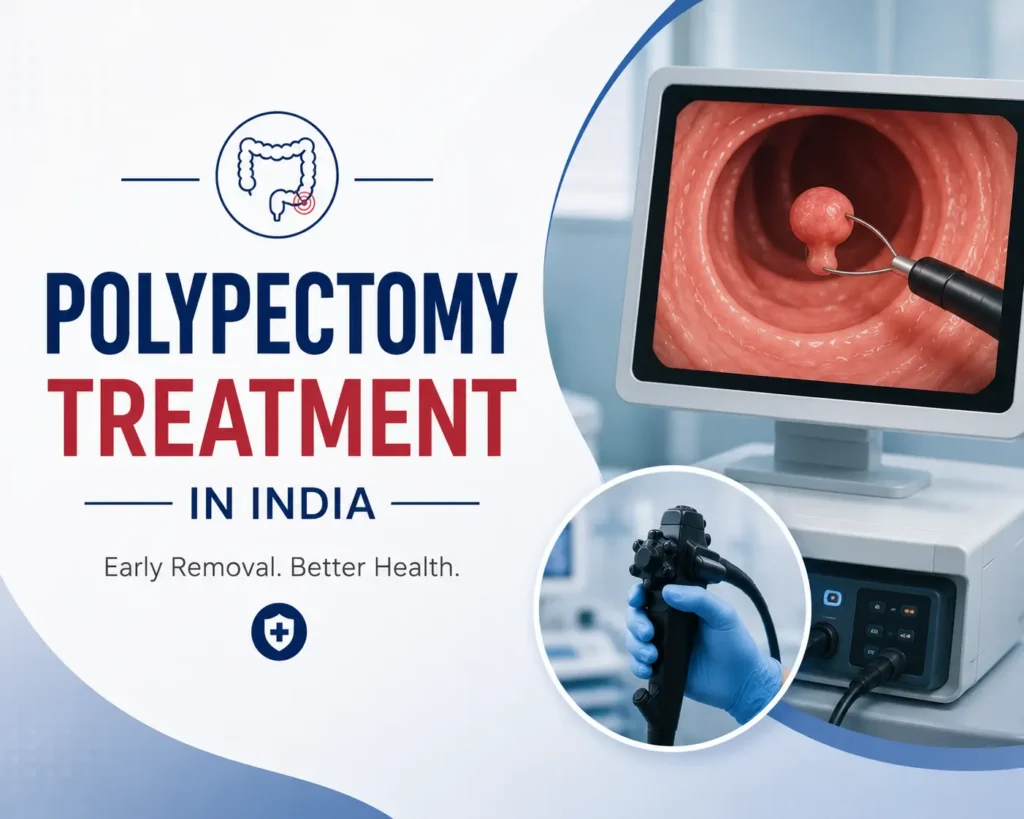
It is a minimally invasive technique to remove polyps from inside the human body. The specialist introduces a flexible tube that has a small camera that allows him to reach the targeted part without making any cuts outside the body. After identifying the polyp, the specialist will remove it from the organ using specific surgical instruments. Through this method, the medical practitioners are able not only to eliminate the polyp but also to send it to the laboratory for further investigation.
Why Polyps Should Not Be Ignored
The consequences of untreated polyps vary with different types and locations. With the development of polyps, bleeding might occur due to the rubbing between them and other organs while passing digested food. In addition, untreated polyps can lead to problems related to digestion or intestinal obstruction. Untreated colon adenomatous polyps have the possibility to undergo abnormal precancerous change, and that is the reason behind Polypectomy Treatment in India.
Common Types of Polyps Removed in India
The specialists differentiate the tumors on the basis of where they are located. Most common types of polyps include adenomatous colon polyps, polyps of the stomach, and endometrial polyps, growing in the uterus. Also, there are some kinds of nasal polyps, which are growths in the soft tissues of the nose, obstructing breathing and requiring treatment by scoping in the corresponding region.
It is important for you to know that the likelihood of developing cancer varies greatly depending on the polyp’s type: in case of adenomatous colon polyps, there is certain risk of getting cancer that justifies colon screening procedures, while in the case of endometrial polyps, the risk is much less (1-5% approximately), and nasal polyps are generally not associated with cancer development, but you may discuss it with your physician further.
Symptoms That May Need a Polypectomy
Symptoms vary significantly depending on where the polyp is located. This can include blood in the stool, unexplained abdominal cramping, or noticeable changes in bowel habits lasting several weeks. For women with uterine polyps, symptoms often include spotting between periods or heavier than usual bleeding, while nasal polyps typically cause persistent nasal congestion and disrupted sleep.
How Polyps Are Diagnosed Before Treatment
Medical teams use high-definition imaging along with other diagnostic tools to fully assess the growths before treatment. To ensure your Polypectomy Treatment in India is guided by accurate information, doctors may use a colonoscopy for the lower intestinal tract, an upper endoscopy for the stomach, or a hysteroscopy for the uterus, sometimes alongside CT imaging when needed.
Polypectomy Procedure Explained Step by Step
The procedure typically takes place in a specialized endoscopy suite rather than a traditional operating room. It’s usually performed under light sedation or local anesthesia, so patients don’t experience significant discomfort.
- Entering the Scope: The physician inserts a flexible tube fitted with a camera through the natural pathway to the target organ.
- Locating the Polyp: High-resolution imaging displays the size and structure of the polyp on a monitor.
- Using the Snare: A wire loop device, called a snare, is guided through the scope and used to grasp the base of the polyp.
- Removing the Polyp: An electric current is typically used to cut and remove the polyp while helping to control bleeding at the site, though some bleeding can still occur, particularly in the days following the procedure (see Risks section below).
- Pathology Analysis: The removed polyp is sent to a lab for detailed analysis to check for abnormal or precancerous cells.
Risks and Complications of Polypectomy
While polypectomy is a very common and generally safe procedure, it’s important to understand the possible risks. Delayed bleeding from the removal site can occur, sometimes appearing a few days after the procedure. Mild abdominal discomfort or bloating is also common as air used during the procedure clears from the body. In rare cases, the procedure can cause a small puncture in the organ wall, which may require an endoscopic repair or closer monitoring to ensure safety.
Recovery and Follow-Up Care After Polypectomy
Recovery after polypectomy is generally quick, with most patients going home within hours of the procedure. Rest and avoiding blood-thinning medication is typically recommended for the first few days. Since some patients are prone to developing new polyps over time, ongoing surveillance through regular scoping appointments, at intervals determined by your doctor based on your specific findings, is an important part of long-term care.
How to Reduce the Risk of New Polyps
Supporting long-term digestive and metabolic health can help reduce the likelihood of new polyps forming. Gastroenterologists commonly recommend a diet rich in fiber while limiting processed red meat and avoiding smoking. Maintaining a healthy body weight and staying physically active also support overall tissue health.
Polypectomy Treatment in India Cost
Polypectomy Treatment in India typically costs around $500 to $2,500 for international patients. The cost varies depending on the location, size and number of polyps, type of polypectomy, hospital, specialist, anesthesia or sedation, diagnostic tests, pathology, and post-procedure care.
The exact cost depends on whether the procedure involves colonic, gastric, uterine, or another type of polyp, as well as the technique required. Simple polyp removal may cost less, while advanced procedures such as EMR or ESD can be considerably more expensive. These figures are general estimates, not fixed quotes, and the final cost should be confirmed after evaluation by the treating specialist.
How Medicsaz Supports Your Polypectomy Treatment in India Journey
Medicsaz connects international patients with vetted partner hospitals and experienced specialists for Polypectomy Treatment in India. The team assists with medical record review, hospital and specialist matching, treatment and cost estimates, travel and visa support, accommodation, and coordination throughout the patient’s treatment journey in India.
For patients exploring Polypectomy Treatment in India, Medicsaz can help identify an appropriate specialist and treatment approach based on the patient’s medical records, while providing guidance on expected costs and the overall treatment process.
Conclusion
Discovering an abnormal tissue growth can be concerning, but timely evaluation and removal can meaningfully protect your long-term health. Choosing specialized Polypectomy Treatment in India connects you with experienced specialists using modern imaging and precise removal techniques. By staying consistent with follow-up screening, addressing growths early, and maintaining healthy daily habits, you can meaningfully reduce your risk of future complications.
Frequently Asked Questions
Do all polyps turn into cancer if left untreated?
No. Cancer risk varies significantly by type and location. Colon adenomatous polyps carry a meaningful risk over time, which is why screening is recommended, while endometrial polyps carry a lower risk, and nasal polyps aren’t considered a direct cancer precursor in the same way.
Is polypectomy a painful procedure?
Most polypectomies are done under light sedation or local anesthesia, so patients typically feel little to no discomfort during the procedure itself.
Can polypectomy cause bleeding?
Yes, this is a recognized risk. While the removal technique is designed to minimize bleeding, some patients experience delayed bleeding from the site, sometimes a few days after the procedure.
How often will I need follow-up scoping after polyp removal?
This depends on the type, size, and number of polyps found, as well as your individual risk factors. Your doctor will recommend a specific surveillance schedule based on your results.
Are nasal polyps as serious as colon polyps?
Not in the same way. Colon polyps, particularly adenomatous types, carry a more direct cancer risk over time, while nasal polyps are primarily a quality-of-life and breathing issue, though your doctor can address any specific concerns for your case.
What can I do to reduce my risk of developing new polyps?
A diet high in fiber, limiting processed red meat, avoiding smoking, maintaining a healthy weight, and staying physically active are commonly recommended to support long-term digestive and metabolic health.
Medically Reviewed
This page on Polypectomy Treatment in India has been medically reviewed by Dr. Rashid Ali, MBBS, a Delhi Medical Council–registered practitioner (Registration No. DMC/R/36289), to ensure it reflects accurate, current, and evidence-based medical information.
At Medicsaz, every treatment page is checked by a licensed doctor before publication, not written by a marketing team alone. Dr. Rashid Ali review covers the accuracy of procedures, terminology, and claims described on this page, so patients researching Polypectomy Treatment in India can rely on what they read here to make informed decisions.
Last medically reviewed: 09/09/2026
You can independently verify Dr. Rashid Ali’s registration on the Delhi Medical Council’s official website using Registration No. DMC/R/36289, or read more about his role as Medicsaz’s medical reviewer on his reviewer profile page.