
Aortic Stenosis Treatment in India
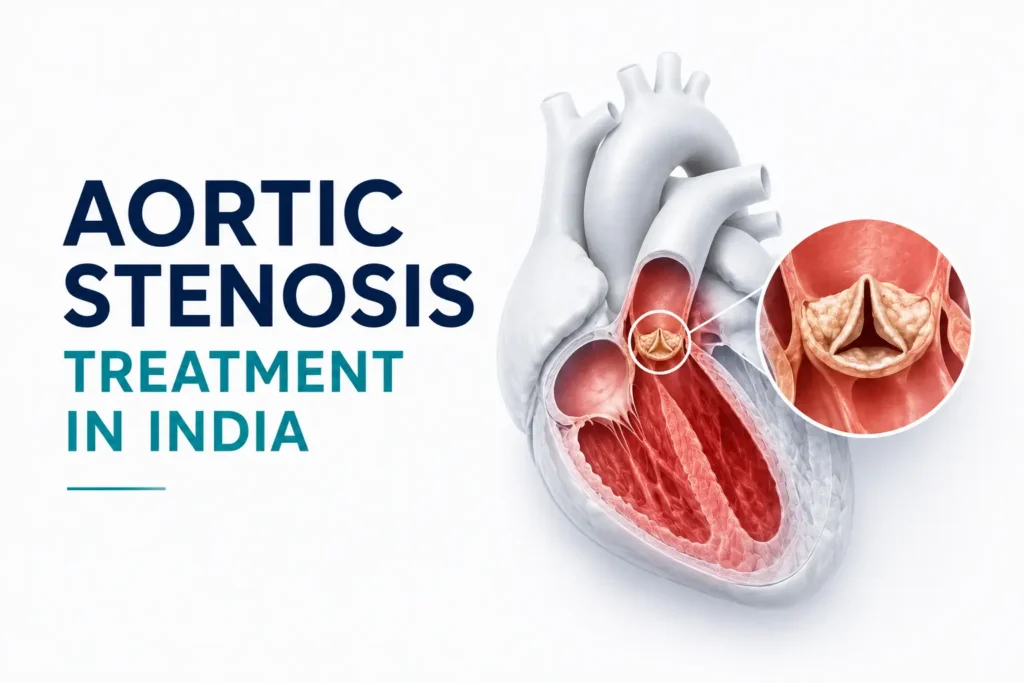
For someone who is suffering from aortic stenosis, even the smallest of daily activities seem to become more difficult than usual. This happens when there is narrowing of the aortic valve, which affects the working of the heart by not allowing efficient pumping of blood through it.
Aortic Stenosis Treatment in India offers effective, well-established options to widen or replace this valve and restore healthy blood flow. Specialized cardiac teams perform careful interventions to protect long-term heart health and quality of life.
Get Free Consultation Now
What Is Aortic Stenosis?
Aortic stenosis is when there is a blockage of the opening of the aortic valve, causing the heart to have difficulty pumping blood, and in more severe cases that are not addressed, heart problems can develop, such as heart failure.
There are some new approaches using advanced imaging, and even newer strain echocardiographic imaging technology being developed, which could possibly help identify signs of heart strain before it becomes a problem, but this is still an emerging tool used at specialized facilities. The best way to diagnose aortic stenosis is through early diagnosis during regular testing.
When Is Aortic Stenosis Treatment Needed
These are the specific symptoms that doctors look out for to decide whether to administer treatment or not:
- Severe Narrowing: If the valve opening becomes narrow to a point where it restricts blood flow.
- Restricted Blood Flow: When the amount of blood flow becomes reduced to an extent where it interferes with bodily functions.
- Aggravated Symptoms: If the symptoms become severe enough to cause disruptions to normal body functions.
- Heart Strain: Evidence that the heart muscle is having a difficult time dealing with the restricted valve, as shown on tests and images.
Symptoms of Aortic Stenosis
Symptom onset may be gradual, starting with fatigue or slight chest pain. There are some patients who do not exhibit any symptoms at all despite having a narrow valve, and this is where the importance of regular assessment comes in. Identifying the symptoms in the early stages prevents other complications from occurring:
- Chest Pain: Ongoing pain because the heart is finding it difficult to get sufficient amounts of oxygen.
- Breathlessness: Having difficulty breathing normally, particularly during exercise.
- Dizziness or Fainting: Due to the lack of adequate supply of blood to the brain.
- Fatigue: Working much harder than normal due to the narrowed valve.
Causes of Aortic Stenosis
The valve may be affected due to aging and calcium deposits or congenital problems that the individual had from birth. It usually causes the valve leaflets to become rigid and lose their normal flexibility. Diagnosis and treatment of these risk factors by way of proper clinical evaluation are the first steps in the proper identification of the problem.
Tests Before Aortic Stenosis Treatment in India
Tests that clinical experts combine to identify the severity of the illness and suggest the right course of treatment include:
- Echocardiography: The most commonly used way to view the valve and evaluate its opening.
- CT Cardiac Scan: The test that gives information about the calcification and heart anatomy.
- ECG and X-ray: Testing of heart electrical activity and its size in order to prepare it for treatment.
- Stress Test: Testing of heart performance under increased physical stress.
Treatment Options for Aortic Stenosis in India
The choice of treatment will depend on the extent of the stenosis as well as the health of the patient. These are the two forms of treatment that exist:
- Surgical Aortic Valve Replacement (SAVR): Open-heart surgery to replace the affected valve is the common form of treatment, especially in young and low-risk patients.
- Transcatheter Aortic Valve Replacement (TAVR): This is an alternative treatment that involves replacing the faulty valve using a catheter, a form of surgery that is commonly suggested for older or high-risk patients due to the quick recovery period.
Your cardiology experts will help determine which treatment works best for you based on your age, valve structure, and surgical risks. Some drugs are available to relieve the symptoms but not to cure the condition.
Recovery After Aortic Stenosis Treatment in India
Recovery depends on which procedure is performed. TAVR generally involves a shorter hospital stay, often just a day or two, with many patients returning to daily activities within about a week. SAVR, being open-heart surgery, typically requires a longer hospital stay and a more gradual recovery over several weeks. Regular follow-up is essential to monitor the new or repaired valve and ensure heart function remains stable over time.
Risks and Complications of Treatment
Though these surgeries are quite safe and have already been widely tested in practice, it is essential to be aware of the potential risks that may occur. Some possible complications include bleeding, vascular complications, stroke, and arrhythmia. One of the frequent complications associated with TAVR surgery is the necessity to have a permanent pacemaker implanted due to the effects of surgery on the heart conduction system. It is not a temporary solution; therefore, it is advisable to discuss this issue before proceeding with surgery. Modern hospitals in India employ highly advanced technologies and skilled personnel in order to avoid these risks.
Cost of Aortic Stenosis Treatment in India
Aortic Stenosis Treatment in India typically ranges from around $8,000 to $45,000, depending on the treatment approach. Conventional aortic valve replacement is generally toward the lower end, while TAVI/TAVR can be considerably more expensive. The final cost depends on the severity of aortic stenosis, procedure recommended, valve selected, hospital, cardiac team, and the patient’s individual medical requirements.
The exact cost also depends on pre-procedure cardiac assessments, imaging, the prosthetic valve, anesthesia, hospital and ICU stay, medications, and follow-up care. These figures are general estimates, not fixed quotes. Medicsaz can help arrange a personalized cost estimate after a partner specialist reviews the patient’s medical records and treatment requirements.
How Medicsaz Supports Your Journey of Aortic Stenosis Treatment in India
Medicsaz connects international patients with vetted partner hospitals and cardiac specialists experienced in treating aortic valve disease, and coordinates everything around the process: cost estimates, medical records review, hospital and doctor matching, travel and visa support, accommodation, and a point of contact throughout your stay in India.
If you’re ready to explore Aortic Stenosis Treatment in India, reach out for a free consultation and cost estimate. Most inquiries get a response within 30 minutes.
Conclusion
Trying to “wait out” chest pain or fainting episodes is a risk not worth taking, since untreated severe aortic stenosis can lead to serious heart complications. Aortic Stenosis Treatment in India offers well-established surgical and minimally invasive options, including SAVR and TAVR, to restore healthy valve function. A structured treatment plan, with an honest understanding of both benefits and risks, is the most reliable way to support long-term heart health and a return to an active life.
Frequently Asked Questions
What's the difference between TAVR and SAVR?
SAVR is traditional open-heart surgery to replace the aortic valve, while TAVR is a minimally invasive procedure that guides a new valve into place through a catheter, usually with a much shorter recovery time. Your cardiac team will recommend one based on your age, valve anatomy, and overall surgical risk.
Will I need a pacemaker after aortic valve replacement?
It’s a real possibility, especially with TAVR, since the procedure can affect the heart’s electrical conduction system. This isn’t guaranteed for every patient, but it’s an important risk to discuss with your cardiac team before treatment so you know what to expect.
How long is recovery after TAVR or SAVR?
TAVR recovery is typically much shorter, with many patients home within a day or two and back to normal activities within about a week. SAVR, being open-heart surgery, usually requires a longer hospital stay and several weeks of gradual recovery.
Can aortic stenosis be treated with medication alone?
Medication can help manage symptoms, but it doesn’t fix the underlying narrowed valve in cases of severe aortic stenosis. For severe, symptomatic aortic stenosis, valve replacement through SAVR or TAVR is the standard, effective treatment.
What happens if aortic stenosis is left untreated?
Severe, symptomatic aortic stenosis that goes untreated can lead to serious complications, including heart failure, and carries a significant risk of worsening outcomes over time. This is why prompt evaluation of symptoms like chest pain, breathlessness, or fainting matters so much.
Is aortic valve replacement surgery safe?
Both TAVR and SAVR are well-established, generally safe procedures performed routinely worldwide, though like any major heart procedure they carry real risks, including bleeding, stroke, and the possible need for a pacemaker. Your cardiac team will walk you through your personal risk profile before recommending a treatment path.
Medically Reviewed
This page on Aortic Stenosis Treatment in India has been medically reviewed by Dr. Rashid Ali, MBBS, a Delhi Medical Council–registered practitioner (Registration No. DMC/R/36289), to ensure it reflects accurate, current, and evidence-based medical information.
At Medicsaz, every treatment page is checked by a licensed doctor before publication, not written by a marketing team alone. Dr. Rashid Ali review covers the accuracy of procedures, terminology, and claims described on this page, so patients researching Aortic Stenosis Treatment in India can rely on what they read here to make informed decisions.
Last medically reviewed: 09/09/2026
You can independently verify Dr. Rashid Ali’s registration on the Delhi Medical Council’s official website using Registration No. DMC/R/36289, or read more about his role as Medicsaz’s medical reviewer on his reviewer profile page.