
Hair Transplant in India
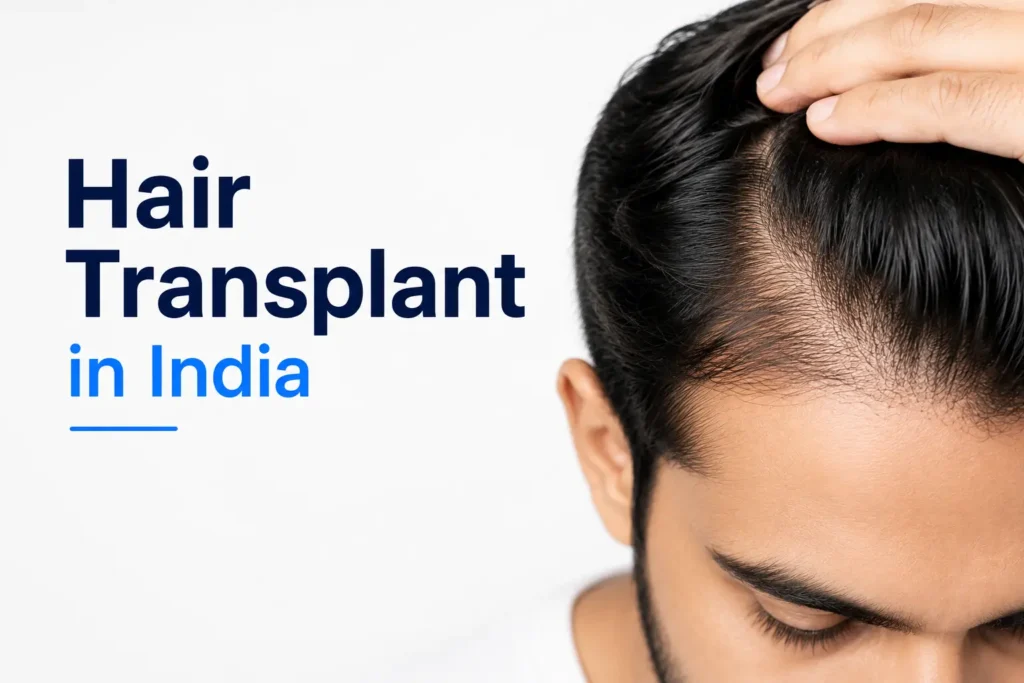
Losing hair affects more than appearance for a lot of people — it changes daily habits, from reaching for a cap to covering thinning spots before stepping out. Hair transplant surgery in India has become a reliable, permanent way to address this, restoring a natural hairline rather than just masking the problem.
Hair Transplant in India has grown into one of the largest and most established markets for this procedure globally. Clinics combine advanced extraction techniques with surgeons who’ve performed thousands of cases, and since prices run significantly lower than in the West, patients travel from around the world for a permanent, natural-looking result without the steep cost.
Get Free Consultation Now
What Is a Hair Transplant?
A hair transplant is a permanent surgical procedure where healthy follicles are taken from the back of the scalp and relocated to balding areas. The surgeon moves these follicles individually so they take root and continue growing naturally. Since the procedure uses the patient’s own tissue, there’s no rejection risk. Specialists treat this as a precise clinical process aimed at making the final result look as natural as possible.
Who Is Suitable for the Procedure?
This surgery is generally suited to patients with thinning or hair loss that hasn’t responded to medication. Surgeons need to confirm there’s a stable, sufficient supply of donor hair to cover the balding areas — if the donor area is too thin, there may not be enough follicles for a full result. A clinical evaluation is the only reliable way to determine candidacy for the procedure.
Common Causes of Hair Loss
Hair loss is usually driven by a combination of genetics, stress, and environmental factors. Many people experience hereditary thinning, where hair follicles gradually stop producing hair over time.
- Hormonal shifts: hormonal changes can trigger sudden, noticeable shedding.
- Nutrition: deficiencies in key vitamins and minerals can accelerate thinning.
- Environmental stress: chronic high-stress conditions can push follicles into a dormant phase earlier than expected.
Advanced Hair Transplant Techniques in India
Surgeons in India use a range of extraction and implantation techniques, with the right choice depending on the patient’s scalp elasticity and the area needing coverage.
- FUE: follicles are harvested individually, leaving no linear scar and allowing faster healing.
- FUT: a thin strip of donor tissue is used, typically for patients needing more extensive coverage.
- DHI: a variation of FUE where follicles are implanted immediately using a specialized tool, minimizing time outside the body.
Hair Transplant Procedure in India
The procedure is typically an all-day session performed under local anesthesia. The surgical team harvests the grafts, creates the recipient sites, and places each follicle at the correct angle and depth to match natural hair growth. Most patients rest through the day while the hairline is rebuilt. Afterward, patients receive clear instructions on protecting the new grafts from friction or pressure.
Diagnostic Tests Before Hair Transplant in India
An accurate assessment of scalp health and donor supply is essential before the first graft is moved.
- Scalp examination: checks for inflammation that could affect graft survival.
- Blood work: screens for iron deficiency or thyroid issues that can affect hair growth.
- Trichoscopy: microscopic imaging used to assess the quality of available donor hair.
Recovery and Growth After Hair Transplant
Recovery is generally manageable, with most patients experiencing mild swelling or tightness for the first day or two. Small crusts form at the graft sites and typically flake off on their own within about ten days.
- Shedding: it’s normal for the newly transplanted hair to shed within the first month.
- Regrowth: new growth typically becomes visible around the third or fourth month.
- Final results: full density is generally reached by around the one-year mark, at which point normal styling is possible.
Risks and Complications
As with any minor surgical procedure, patients may experience some itching or temporary “shock loss,” where existing hair thins out briefly before the recovery process settles. These issues usually resolve on their own without additional treatment.
- Swelling: mild swelling around the forehead is common and typically resolves within a few days.
- Folliculitis: minor bumps can appear as new hairs emerge through the skin.
- Numbness: a temporary numb sensation on the scalp usually fades as the nerves heal.
Life After Hair Transplant in India
Once the transplanted hair has fully matured, most patients no longer rely on concealers or worry about their scalp being visible. The relocated follicles are permanent and don’t require ongoing medical treatment to keep growing. For many patients, this brings welcome relief from the daily routine of managing visible hair loss, and many feel it restores a more youthful appearance.
Hair Transplant Cost in India
Hair Transplant in India typically costs between $1,000 and $4,500, with the total depending mainly on graft count and the technique used (FUE, FUT, or DHI). Smaller sessions in the 1,500–2,000 graft range tend to sit toward the lower end of this range, while larger “giga sessions” of 3,000+ grafts run higher.
The exact figure depends on the clinic, the surgeon, and the extent of coverage needed. These are general figures, not fixed quotes. Medicsaz can put together a personalized cost estimate once a partner specialist has reviewed your case.
How Medicsaz Supports Your Hair Transplant Journey in India
Medicsaz connects you with vetted partner hospitals and specialists experienced in hair transplant surgery, and coordinates everything around the process: cost estimates, medical records review, hospital and doctor matching, travel and visa support, accommodation, and a point of contact throughout your stay in India.
If you’re ready to explore this, reach out for a free consultation and cost estimate. Most inquiries get a response within 30 minutes.
Conclusion
Hair Transplant in India gives patients access to advanced techniques and experienced surgeons at a fraction of the cost found in many other countries. By choosing a permanent solution over temporary fixes, patients can achieve a natural-looking result that lasts. For anyone looking to address hair loss for good, this remains one of the most effective options available.
Frequently Asked Questions
What's the difference between FUE, FUT, and DHI hair transplants?
FUE extracts follicles individually with no linear scar, FUT removes a strip of scalp tissue for larger coverage, and DHI is a modified version of FUE where follicles are implanted immediately using a specialized tool.
How many grafts do I need for a hair transplant?
This depends on the extent of hair loss and the size of the area being treated. A clinical evaluation of your donor supply and balding pattern determines the right number for your case.
When will I see final results after a hair transplant?
Transplanted hair typically sheds within the first couple of months, new growth starts around month 3 to 4, and full density is usually visible by around the one-year mark.
Is a hair transplant permanent?
Yes. Transplanted follicles are taken from areas resistant to hair loss, usually the back of the head, and continue growing naturally for life once they take root.
Does a hair transplant look natural?
When performed by an experienced surgeon, results are designed to blend with your existing hair pattern and growth direction for a natural appearance.
Is a hair transplant painful?
The procedure is done under local anesthesia, so there’s little to no pain during the surgery, though mild discomfort, swelling, or tightness is common for the first couple of days afterward.
How much does a hair transplant cost in India?
Hair Transplant in India typically costs between $1,000 and $4,500 for international patients, depending mainly on graft count and the technique used.
Medically Reviewed
This page on Hair Transplant in India has been medically reviewed by Dr. Rashid Ali, MBBS, a Delhi Medical Council–registered practitioner (Registration No. DMC/R/36289), to ensure it reflects accurate, current, and evidence-based medical information.
At Medicsaz, every treatment page is checked by a licensed doctor before publication, not written by a marketing team alone. Dr. Rashid Ali review covers the accuracy of procedures, terminology, and claims described on this page, so patients researching Hair Transplant in India can rely on what they read here to make informed decisions.
Last medically reviewed: 09/09/2026
You can independently verify Dr. Rashid Ali’s registration on the Delhi Medical Council’s official website using Registration No. DMC/R/36289, or read more about his role as Medicsaz’s medical reviewer on his reviewer profile page.