
Blastocyst Transfer in India
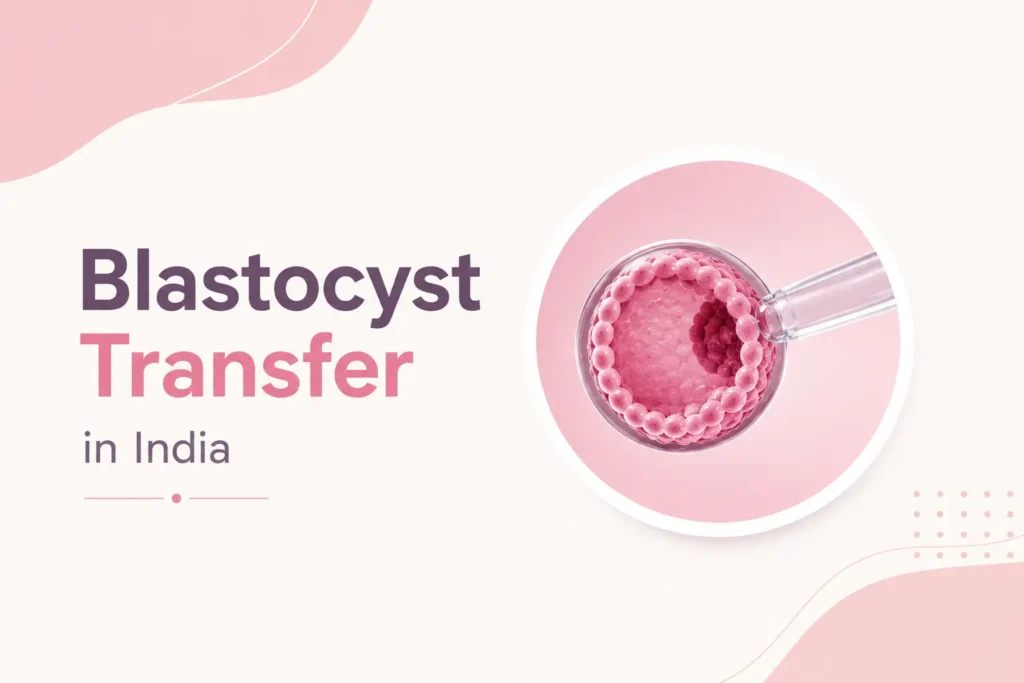
Through IVF techniques, many couples who could not conceive have been able to achieve their dreams of having babies through IVF treatment. The most important step during an IVF treatment is the transfer process, when the embryo is put in the womb to make sure that it implants successfully. New developments in reproductive technology led to blastocyst transfer.
This procedure enables doctors to cultivate embryos in a laboratory environment, thus ensuring better developmental abilities. With the help of blastocyst transfer, doctors can enhance their chances of successful implantation and pregnancy. Nowadays, Blastocyst Transfer in India is available in reputable clinics offering the latest IVF programs.
Get Free Consultation Now
What Is Blastocyst Transfer?
With this new method of fertility treatment, embryos are placed in a specialized incubator for around five or six days rather than just two days. The additional time is given so that the cells divide and develop into a highly specialized cell sphere. This specific timing matches the exact way a natural pregnancy travels down into the womb, making it much easier for the body to accept the graft.
How Blastocyst Transfer Differs from Traditional Embryo Transfer
Standard fertility routines usually move the developing cells back into the body on the second or third day before they can grow strong. Waiting a few extra days alters the entire implantation process and gives your medical team a major visual advantage:
- Longer laboratory development: Cells grow inside specialized incubators for five to six full days before insertion.
- Better embryo selection: Embryologists can watch the cell division tracks much longer to pick the strongest option.
Closer to natural - implantation timing: The lab schedule mirrors the exact day an embryo naturally enters the womb.
These massive functional differences are exactly why picking a modern blastocyst transfer in India has become the preferred track for complex cases.
Role of Blastocyst Transfer in IVF Success
Giving the cells extra time to grow helps weed out weaker structures that simply do not have the genetic strength to survive long-term. This careful waiting game directly boosts your operational safety margins inside the clinical lab:
- Selection of stronger embryos: Only the most resilient cell clusters can survive past day five in the lab.
- Improved synchronization: The internal lining of the womb is perfectly primed to receive a day-five structure.
- Reduced multiple pregnancy risk: Choosing one single top-tier blastocyst means you can avoid dangerous twins or triplets.
Benefits of Fertility Care in India
Modern lab networks help couples minimize operational failure risks and return home with a healthy baby much faster. Specialized clinics utilize advanced gas incubators and cleanroom tech to sustain the cells safely:
- Improved embryo selection: Lab teams filter out structurally weak cells before they ever touch your body.
- Higher implantation potential: The advanced structure bonds much faster with your internal tissue layers.
- Better synchronization with the uterus: Matching the natural clock stops your body from rejecting the cell cluster.
Risks and Limitations of Blastocyst Transfer
Let us look at the hard facts—waiting five days in a lab incubator is a tough survival test for growing cells. Some patients might find out that none of their harvested embryos have the physical stamina to reach the day-five blastocyst mark. Your fertility team will discuss these natural baseline boundaries with your family early on to keep your upcoming treatment choices completely safe.
What to Expect After Blastocyst Transfer
Once the quick insertion session is complete, you can stand right up, empty your bladder, and head home to rest normally. You will need to take your daily hormone support pills exactly on time and avoid any heavy lifting or intense gym workouts for a couple of weeks. Sticking with these simple home habits keeps your internal environment completely steady while you wait for your official clinic pregnancy blood check.
Factors That Influence Implantation Success
Your personal age and baseline womb health play a massive role in whether the transferred cell sphere can successfully bond with your tissue walls. Heavy internal scarring, unmanaged hormone drops, or high daily stress levels can alter how your lining reacts to the new embryo. Your care team will aggressively manage these secondary health factors during your blastocyst transfer in India planning phase to give your body the highest possible odds of success.
Conclusion
This specialized embryo development track offers a highly reliable, advanced way forward for couples who want to maximize their IVF success rates on the very first try, and arranging your blastocyst transfer in India connects your family with world-class embryology labs, deeply experienced fertility specialists, and exceptionally high clinical standards at a very fair price. If you complete your baseline uterine scans early and follow your post-transfer medication tracks closely, you can easily protect your growing cells, boost your implantation odds, and look forward to a very happy, healthy future.
Medically Reviewed
This page on Blastocyst Transfer in India has been medically reviewed by Dr. Rashid Ali, MBBS, a Delhi Medical Council–registered practitioner (Registration No. DMC/R/36289), to ensure it reflects accurate, current, and evidence-based medical information.
At Medicsaz, every treatment page is checked by a licensed doctor before publication, not written by a marketing team alone. Dr. Rashid Ali review covers the accuracy of procedures, terminology, and claims described on this page, so patients researching Blastocyst Transfer in India can rely on what they read here to make informed decisions.
Last medically reviewed: 09/09/2026
You can independently verify Dr. Rashid Ali’s registration on the Delhi Medical Council’s official website using Registration No. DMC/R/36289, or read more about his role as Medicsaz’s medical reviewer on his reviewer profile page.