
Kidney Transplant Surgery in India
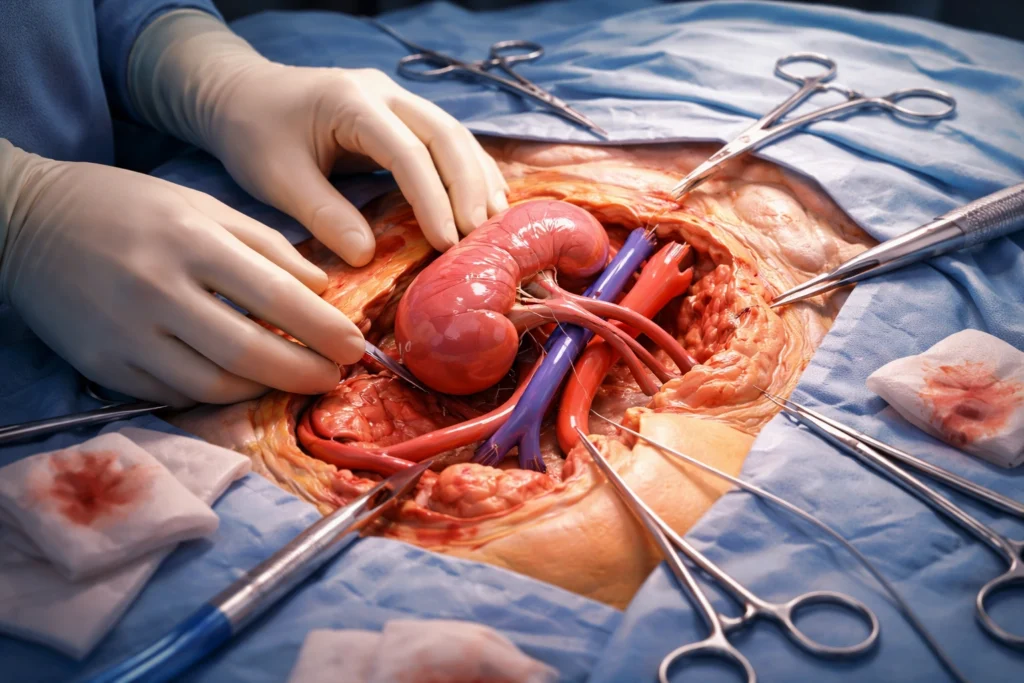
The decline of renal function is often a “biological theft” of stamina, beginning with subtle swelling or changes in urine. When the internal “plumbing” fails, daily life collapses under the weight of chronic dialysis and toxin buildup. Kidney Transplant Surgery in India acts as a definitive “reset,” offering a structural relocation of a healthy organ to take over vital waste filtration.
This is a complex mechanical reconstruction of the body’s filtration system. It addresses the physical failure of the original organs to restore a balanced internal environment. Today, these sophisticated medical strategies protect a patient’s long-term health through a total structural relocation of renal function.
Get Free Consultation Now
What Is Kidney Transplant Surgery?
A kidney transplant is a permanent surgical move where a non-functioning kidney is bypassed by a healthy donor organ. The specialist connects the new “scaffolding” to the patient’s existing blood vessels and bladder to restore the path for waste removal.
In most cases, the original damaged kidneys are not removed, as they do not interfere with the new mechanical setup. This surgery provides a more functional life compared to the repetitive “plumbing” of dialysis. Every session is customized to the specific pathology found during high-tech compatibility exams.
When Is a Kidney Transplant Needed?
Doctors recommend a transplant when kidney function falls to a very low level, known as end-stage kidney disease. This is a total system failure where the body can no longer clear its own biological waste.
Patients who require frequent dialysis or suffer from agonizing fatigue and swelling are prime candidates for this move. It is considered when other treatments cannot improve the “plumbing” of the renal system. A proper clinical evaluation is the only way to determine if a patient is ready for this permanent fix.
Sources of Kidney Donors
Donor organs in India are sourced through strict legal and medical frameworks to ensure the highest survival rate. Common “relocation” sources include:
- Living Donor – Usually a family member or relative providing a biological match.
- Deceased Donor – Organs harvested from brain-dead donors with proper legal consent.
- Paired Donation – A “swap” move between two incompatible pairs to find a functional match.
Compatibility Tests for Kidney Transplant
A successful outcome relies on accurate physical mapping and genetic “plumbing” checks. Standard diagnostic evaluations include:
- Blood Group Matching – Ensuring the basic chemical compatibility of the donor and recipient.
- HLA Tissue Typing – Checking genetic similarity to prevent a total system failure.
- Crossmatch Test – A microscopic look at how the recipient’s blood reacts to the donor’s cells.
Hospital Stay and Recovery After Transplant
Recovery is a meticulous clinical phase where the patient is monitored for signs of a “biological crash.” The initial hospital stay focuses on verifying that the new organ has started its filtration work correctly. Most patients see a gradual return of strength as the internal architecture of the body stabilizes.
Following the hospital phase, recovery continues at home with strict adherence to follow-up visits. This long-term transition requires emotional grit as the body adapts to the new “mechanical” resident. The duration of the stay depends entirely on how quickly the new “internal plumbing” begins to function.
Medicines After Kidney Transplant
After the relocation of the organ, the body’s immune system may flag it as an “invader.” To prevent this rejection, patients must take immunosuppressant drugs daily without fail. These chemicals act as a shield, protecting the new biological architecture from an internal attack.
Missing even a single dose can trigger a total system failure of the new kidney. Specialists adjust these “plumbing” medications based on regular blood tests to ensure a balanced profile. This lifelong commitment is the only way to ensure the transplant remains clear and functional.
Preventing Organ Rejection After Transplant
Rejection is a major mechanical hurdle where the body tries to dismantle the new kidney. Early detection is critical, and patients are taught to monitor for warning signs like decreased urine or sudden swelling. Regular clinical moves, including biopsies or specialized blood tests, help catch these “biological crashes” before they become permanent.
Lifestyle Changes After Kidney Transplant Surgery in India
Once the system is stabilized, life feels different as the burden of dialysis is lifted. People stop struggling with constant fatigue and find their energy levels much more balanced. Necessary long-term care includes:
- Infection Control – Maintaining hygiene to protect the “plumbing” while on immunosuppressants.
- Strict Nutrition – A balanced diet to ensure the new kidney isn’t stressed by excess toxins.
- Zero Smoking – Preventing chemical damage to the new biological architecture.
Conclusion
Kidney Transplant Surgery in India provides a world-class opportunity to address end-stage renal disease through high-end technology. By moving away from temporary dialysis, patients achieve a stable result that reflects their commitment to health. For those seeking a permanent end to renal struggles, this remains the most effective clinical path forward.
Medically Reviewed
This page on Kidney Transplant Surgery in India has been medically reviewed by Dr. Rashid Ali, MBBS, a Delhi Medical Council–registered practitioner (Registration No. DMC/R/36289), to ensure it reflects accurate, current, and evidence-based medical information.
At Medicsaz, every treatment page is checked by a licensed doctor before publication, not written by a marketing team alone. Dr. Rashid Ali review covers the accuracy of procedures, terminology, and claims described on this page, so patients researching Kidney Transplant Surgery in India can rely on what they read here to make informed decisions.
Last medically reviewed: 09/09/2026
You can independently verify Dr. Rashid Ali’s registration on the Delhi Medical Council’s official website using Registration No. DMC/R/36289, or read more about his role as Medicsaz’s medical reviewer on his reviewer profile page.