
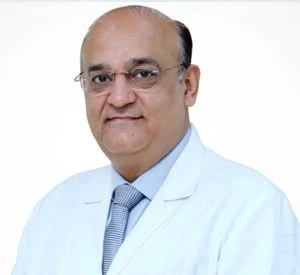
Dr. Neeraj Bhalla
Experience: Over 33 years
BLK–Max Super Speciality Hospital, Rajendra Place
New Delhi, India
Introduction
Dr. Neeraj Bhalla is a senior heart specialist treating blocked arteries, chest pain, and cardiac trouble that needs immediate care. Most people land in his office when their medicines stop working, and a procedure becomes the only way out. His work mainly focuses on improving blood flow to the heart and helping patients return to a stable routine.
About Dr. Neeraj Bhalla
Dr. Bhalla has spent many years working in interventional cardiology, performing angioplasty and related procedures. He often treats patients who have multiple heart risk factors such as diabetes, high blood pressure, or long-standing cholesterol issues. His approach is steady and practical, especially in cases that require ongoing care.
He has also taught cardiology and done research work. Patients usually say that he explains things in a simple way and does not rush decisions. Families worry less when they actually get what’s going on.
Qualifications
- MBBS – Armed Forces Medical College, Pune
- MD (Medicine) – AFMC, Pune
- DM (Cardiology) – PGI Chandigarh
- FSCAI
- FACC
Awards & Recognition
- KK Gupta Gold Medal for standing first in Medicine
- Commendation by the Chief of Air Staff (CAS), Government of India
- Lumen Global Award for Heart Attack Management from the Health and Finance Minister, Delhi Government (1988)
Specialities & Expertise
- Coronary angioplasty and stenting
- Intravascular imaging techniques (IVUS, FFR)
- Pacemaker and ICD implantation
- Peripheral artery procedures
- Valve-related interventions
Patient Experience & Approach
He actually listens instead of talking over you. Check your old files and symptoms properly before suggesting anything. Patients like getting an honest talk about their heart and what can be done. This reduces confusion and helps them take part in the decision.
He also stresses follow-up care and daily habits. Advice on diet, medicines, and routine checks helps patients manage their condition and avoid sudden cardiac events in the future.
Frequently Asked Questions
How do I book an appointment with Doctor?
You can book a consultation with the doctor through Medicsaz by contacting our team via WhatsApp or the “Book an Appointment” button on this page. We’ll coordinate the appointment directly with the hospital and assist with scheduling based on your treatment needs.
Is the doctor experienced in treating international patients?
Yes, the doctor has treated patients from various countries, with experience managing cross-border care, language coordination, and treatment planning for patients traveling to India.
Can I get a free medical opinion before travelling to India?
Yes. Medicsaz facilitates free preliminary medical opinions; you can share your medical reports with our team, and we’ll coordinate a review with the concerned specialist or hospital before you finalize your travel plans.
Does Medicsaz arrange travel, visa, and accommodation for treatment with Doctor?
Yes. Medicsaz provides end-to-end support, including medical visa assistance, travel coordination, accommodation, and local support throughout your treatment journey.
What languages does the doctor communicate in?
The doctors generally communicate in languages such as English and Hindi, and Medicsaz additionally provides translator support for patients who need assistance in other languages.
Content Verification
This doctor profile has been compiled and written by the Medicsaz editorial team based on publicly available hospital records, credentials, and professional experience. It has been medically reviewed by Dr. Rashid Ali, MBBS (Delhi Medical Council Reg. No. DMC/R/36289) for accuracy of medical qualifications, specializations, and terminology. Medicsaz does not employ this doctor directly; we facilitate access to verified specialists at partner hospitals in India. For the most current information on this doctor’s practice, please consult the hospital directly or contact our team.