
Pacemaker Implant in India
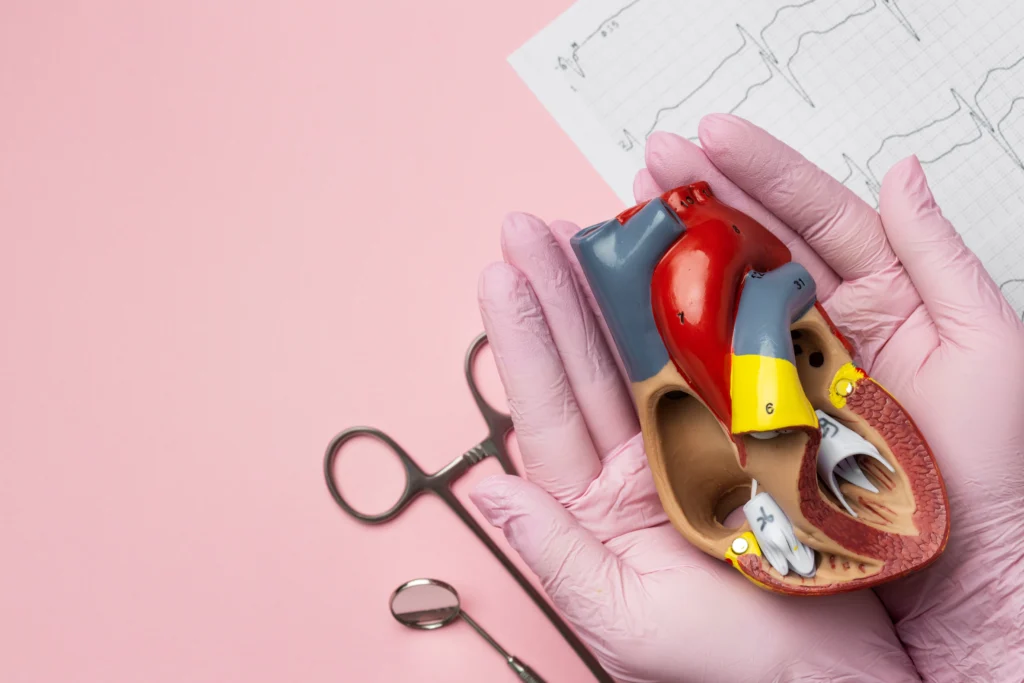
Heartbeat problems are also seen in many people nowadays. Some feel their heartbeat is slow, some feel it becomes fast instantly, and sometimes it just feels unstable. Because of this, people may feel weak, tired, a bit dizzy, or even faint. A few also feel breathless or slight discomfort in the chest, but they don’t always understand why it is happening.
In most cases, this is because the heart’s own signals are not working properly, so the blood does not flow in the right way. To support this, doctors suggest a pacemaker. It is a small device that helps keep the heartbeat normal, so the person can feel better and live a safe and normal life.
Get Free Consultation Now
What is a Pacemaker Implant?
A pacemaker implant procedure is quite simple, where a small electronic circuit is implanted in the body of the individual in order to regulate the beating of the heart. This circuit is commonly implanted just beneath the surface of the skin in the chest area. Thin wires are attached to the heart from this circuit.
When there is a slowdown or irregularity of the heartbeat, a pacemaker sends light signals to the heart. Basically, it helps keep your heart running steady. The good news is, it’s not open-heart surgery. It’s actually safe, and people usually bounce back pretty fast.
Who Needs a Pacemaker?
You really only need a pacemaker when the heart issue gets serious enough to actually mess with your daily life. Doctors check all reports before deciding. A pacemaker may be needed if the patient has:
- A slow heartbeat that causes weakness
- Feeling dizzy often
- Fainting or blacking out again and again
- Breathing trouble even while resting
feeling exhausted all the time - Irregular heartbeat that medicines cannot control
- Heart failure, where the pumping is weak
- Electrical conduction problem in the heart
- Risk of the heart rhythm getting worse
- Symptoms that affect normal life
Doctors always choose what is best for the patient’s condition.
Types of Pacemakers
Basically, there are a few different kinds, and the doctor just picks one based on where the heart needs the backup.
- Single-chamber: This one is pretty simple; it just manages one specific part of the heart that has a rhythm issue.
- Dual-chamber: As you can guess, this connects to both the upper and lower chambers to keep the heartbeat totally synced up.
- Biventricular: You mostly see this one used for heart failure cases because it helps both sides of the heart pump together.
- Rate-responsive: These are smart—they can actually tell when you’re walking or active and will automatically adjust the heart rate to match.
- Temporary: Just like it sounds, it’s only used for a short time when you need a quick fix.
- Leadless: A newer, really small device that gets used in special situations.
At the end of the day, the doctor looks at your specific condition to decide which one fits best.
Procedure Explanation
Before the pacemaker implant, doctors perform tests like an ECG, an echo, and blood tests. This helps them understand the heart condition. On the day of the implant:
- The patient is taken to the cath lab
- The patient stays awake
- Local anaesthesia is given, so there is no pain
- A small cut is made near the chest
- The pacemaker device is placed under the skin
- Thin wires are connected to the heart
- Doctors check if the pacemaker is working properly
- The cut is closed after finishing
The whole thing usually takes about an hour or two. After that, they just keep an eye on the patient for a bit.
Benefits of Pacemaker Implant
It just helps the heart work right and keeps the beat steady. Most people actually feel way more active and comfortable after getting it. Some main benefits are:
- Keeps the heartbeat regular
- Supports the heart when it becomes slow
- Improves blood flow in the body
- Reduces dizziness and fainting
- Helps the patient feel more energetic
- Supports better breathing
- Improves heart pumping
- Makes daily life easier
- Helps in doing normal work
- Improves quality of life
- Provides long-term heart support
Most patients feel healthier after the implant.
Risks or Safety
Pacemaker implantation is pretty safe these days. Big problems are very rare. Doctors are basically there to make sure everything goes right, from start to finish. They watch you closely, so if anything small comes up, they handle it fast. Honestly, as long as you keep up with your check-ups, most people heal up just fine and don’t have any real trouble.
Why Choose India for Pacemaker Implant?
India is a popular place for pacemaker treatment. Hospitals here have good technology, and heart doctors are well-trained and do these procedures often. The treatment cost in India is also lower than in many other countries. Patients get proper care and full support from the doctors and hospital staff.
That’s why a lot of people from other countries prefer coming to India for pacemaker implantation.
Recovery & Aftercare
Recovery after pacemaker implantation is usually smooth and quick. Doctors normally advise:
- Stay in the hospital for 1 or 2 days
- Take enough rest for a few weeks
- Avoid lifting heavy things
- Keep the pacemaker area clean and dry
- Take medicines on time
- Do light physical activity slowly
- Avoid pressure on the implant area
- Visit the doctor for regular follow-ups
- Inform the doctor if there is swelling or pain
Within a few weeks, most patients return to normal life.
Conclusion
Doctors usually suggest a pacemaker when your heart rhythm gets too slow or unstable and actually starts messing with your daily life. It just steps in to keep things steady, which makes a massive difference for your health. Honestly, with the right care, it’s a solid long-term fix that lets you get back to a normal, safe routine.
Frequently Asked Questions
How long does a pacemaker battery last?
Pacemaker batteries typically last 5 to 15 years, depending on usage and device type. Regular check-ups help monitor battery life.
Can I live a normal life with a pacemaker?
Yes. Most patients return to normal daily activities, including work and light exercise, after recovery.
Are there lifestyle restrictions after pacemaker implantation?
Patients should:
- Avoid strong magnetic fields.
- Inform airport security about the device.
- Attend regular follow-ups.
- Avoid heavy shoulder movements initially.
How often are follow-up visits required?
Doctors usually schedule regular check-ups every 3 to 6 months to monitor device function and battery life.
Is pacemaker implantation a major surgery?
No, pacemaker implantation is a minimally invasive procedure. It is usually performed under local anesthesia and mild sedation.
Medically Reviewed
This page on Pacemaker Implant in India has been medically reviewed by Dr. Rashid Ali, MBBS, a Delhi Medical Council–registered practitioner (Registration No. DMC/R/36289), to ensure it reflects accurate, current, and evidence-based medical information.
At Medicsaz, every treatment page is checked by a licensed doctor before publication, not written by a marketing team alone. Dr. Rashid Ali review covers the accuracy of procedures, terminology, and claims described on this page, so patients researching Pacemaker Implant in India can rely on what they read here to make informed decisions.
Last medically reviewed: 09/09/2026
You can independently verify Dr. Rashid Ali’s registration on the Delhi Medical Council’s official website using Registration No. DMC/R/36289, or read more about his role as Medicsaz’s medical reviewer on his reviewer profile page.