
Brain Tumor Surgery in India
When a person hears the words brain tumor, fear is the first reaction that follows. This is because most individuals are not quite clear about the meaning of a brain tumor, and hearing the word surgery makes it all the more serious. In many cases, the trouble does not arise suddenly. It all begins with some minor problems of headaches or dizziness. However, when these difficulties continue to repeat, medical tests are conducted. After a tumor is discovered, a surgery might be advised by doctors. It can be scary, but brain tumor surgery in India is safely executed in the best-equipped medical institutions.
Get Free Consultation Now
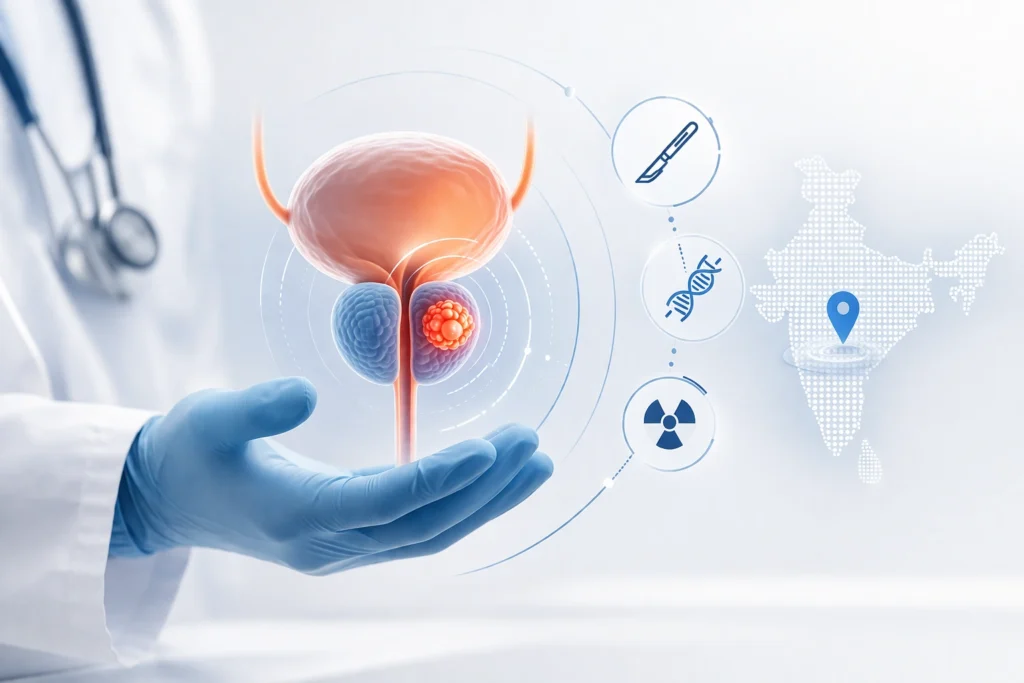
What Is Prostate Cancer?
The prostate is a small gland that only men have. It helps make fluid that supports sperm. Prostate cancer starts when some cells in this gland begin growing in a way they shouldn’t. This doesn’t happen suddenly. It builds up slowly over time. This is the reason many men don’t notice anything wrong in the early stage.
Who Needs Prostate Cancer Treatment?
Not all cases of the prostate mean cancer. Physicians do not start treatment immediately without verifying. Treatment only becomes relevant once the cancer is diagnosed or when life becomes uncomfortable. Patients commonly look for prostate cancer treatment when they experience the following:
- Urine flow is weak or slow and doesn’t get better with medications.
- Waking up many times for urination at night.
- Discomfort or burning while urinating that recurs.
- Visible blood in urine or semen, even once.
- Pain in the lower back or hips that doesn’t go away.
Types of Prostate Cancer
Without heavy medical terms, doctors usually explain types in simple words. They mostly look at how fast the cancer is growing and how far it has spread.
Slow-growing prostate cancer: This type grows very slowly. In many cases, doctors just keep an eye on it instead of starting treatment right away.
Fast-growing prostate cancer: This one spreads more quickly and usually needs treatment without delay.
Localized prostate cancer: Cancer stays within the prostate gland, and treatment results are often better.
Advanced prostate cancer: Cancer spreads outside the prostate, so treatment focuses more on control and comfort.
How Prostate Cancer Is Diagnosed
Doctors don’t depend on just one report. Diagnosis happens step by step, so nothing is missed. This careful approach is common in prostate cancer treatment in India. Doctors may suggest:
- Blood tests to check prostate-related levels.
- Physical examination of the prostate.
- Scans to see what’s happening inside.
- Tissue testing if confirmation is needed.
Prostate Cancer Treatment Process
After the cancer is diagnosed, doctors do not act in haste. They actually sit down with the patient and his family to explain everything in simple terms. They go through the reports, the health conditions of the patient, and then draw up a plan.
The treatment depends on the age of the patient, the stage of cancer, and the response of the body to the treatment. The doctors advise observation, medication, radiation, or surgery. All of this happens in a step-by-step manner with frequent follow-ups to check the response of the body.
Benefits of Prostate Cancer Treatment
Starting treatment at the right time helps life feel more manageable again. It’s not just about cancer control, but also daily comfort. Some benefits include:
- Better control over urine-related problems.
- Less pain and discomfort over time.
- Reduced the chances of cancer spreading further.
- Mental relief once treatment starts.
- More confidence in daily life.
Risks and Safety
There are always concerns associated with any kind of medical treatment, and this is quite natural. The doctors discuss all the risks associated with the treatment before beginning the therapy for prostate cancer. Some men may experience difficulties in controlling urine, sexual problems, or bowel problems during or after the treatment, and some may feel weak, tired, or experience changes in urination. Doctors monitor these things closely and adjust treatment if needed. With better technology and experience today, serious complications are less common.
Daily Challenges with Prostate Cancer
- Urinating many times a day and night becomes common, which breaks sleep and makes the body feel tired most days.
- Urine-related problems feel uncomfortable and sometimes embarrassing, so many men avoid talking about them openly.
- Discomfort or Pain can make sitting, walking, or working for long hours difficult.
- Stress and overthinking during waiting for tests or doctor visits.
- Mood changes happen easily, and small things may feel heavy emotionally.
- Depending on family members for support feels hard at first, but it becomes necessary over time.
Recovery and Aftercare
Recovery doesn’t happen overnight. Everyone heals at a different speed, and that’s normal. Doctors guide patients slowly during this phase. Patients are usually advised to:
- Take medicines on time without skipping.
- Attend follow-up visits regularly.
- Rest properly and avoid overexertion.
- Inform doctors if something feels unusual.
Why Choose India for Prostate Cancer Treatment
Most people choose prostate cancer treatment in India because the process feels more organised and less overwhelming. Doctors here deal with such cases regularly, so patients don’t feel lost. Hospitals follow clear steps, and long-term care is easier to continue, with more affordable treatment costs. Family members are involved throughout, which helps emotionally.
Conclusion
Prostate cancer often grows quietly and doesn’t create big problems at first. Ignoring repeated signs can delay treatment. Proper care and Early diagnosis make a real difference. Prostate cancer treatment in India has improved with better planning and patient care. With timely treatment, regular follow-ups, and family support, many men continue living stable and comfortable lives.
Frequently Asked Questions
Is brain tumor surgery dangerous?
Brain surgery is complex, but modern technology and experienced neurosurgeons have made it much safer. Risks depend on the tumor’s size and location, but serious complications are uncommon in specialized centers.
How long does brain tumor surgery take?
The procedure may take 3 to 8 hours depending on the tumor’s size, type, and location within the brain.
How long is the hospital stay after brain tumor surgery?
Patients usually stay in the hospital for 5 to 10 days, including monitoring in the intensive care unit for the first 1–2 days.
How should I prepare for brain tumor surgery?
Patients are typically advised to:
- Undergo brain imaging tests (MRI/CT)
- Stop certain medications if advised
- Avoid eating or drinking before surgery
- Arrange support for post-surgery care
What are the risks of brain tumor surgery?
Possible risks include infection, bleeding, swelling of the brain, seizures, or temporary or permanent neurological changes. Your surgical team explains specific risks based on your condition.
Medically Reviewed
This page on Brain Tumor Surgery in India has been medically reviewed by Dr. Rashid Ali, MBBS, a Delhi Medical Council–registered practitioner (Registration No. DMC/R/36289), to ensure it reflects accurate, current, and evidence-based medical information.
At Medicsaz, every treatment page is checked by a licensed doctor before publication, not written by a marketing team alone. Dr. Rashid Ali review covers the accuracy of procedures, terminology, and claims described on this page, so patients researching Brain Tumor Surgery in India can rely on what they read here to make informed decisions.
Last medically reviewed: 09/09/2026
You can independently verify Dr. Rashid Ali’s registration on the Delhi Medical Council’s official website using Registration No. DMC/R/36289, or read more about his role as Medicsaz’s medical reviewer on his reviewer profile page.